I ranked 47 go to market tools on camera because the usual “best GTM tools” list is almost useless once you have to spend your own money and wire the thing together. A product can be good and still be wrong for your stack, and the exact same tool can move a tier once you account for the operator and sending volume, plus whether you are working a tight market or trying to chew through half the internet.
The outcome I actually want is not a prettier pile of subscriptions. I want a small system that lets good taste and judgment move faster, with fewer interfaces and fewer places for context to die. The tools I keep tend to do one of two things: give me enough peace of mind over a category that I can go back to the skill issue, or make me flexible enough to grow into the tool instead of sitting around waiting for the tool to grow for me. That is why a useful point solution can still land below a flexible home base, and why an allegedly autonomous platform goes straight to D when nobody owns the work.
The board gives you my verdict. This article has a harder job: help you make the purchase without needing to rewatch the whole video with a notebook open.
There are 47 dossiers below. Each opens with the public homepage and the best use I can support. You also get the conditions that make me choose or skip it; a practical alternative; and the current public integration surface. Before you open those, use the chooser. It will get you from a wall of logos to the smallest stack that can actually run your motion.
What to buy first
Start with the job your stack needs to do next. Buying every interesting tool is how a GTM stack turns into my old RuneScape bank: the useful thing is in there somewhere, buried under seventeen objects I kept because I might need them one day, and now I am paying to preserve the mess.
Every minimum viable outbound stack needs one usable source of account and contact data plus one way to send. Add Codex or Claude Code as the home base only when a technical operator will own the prompts and files, plus the APIs and failures that come with them. Automation and infrastructure come later. Shared context, intent, waterfall enrichment and all the other fun stuff get added when a real constraint asks for them. If you cannot name the constraint, the owner and the test that would prove the purchase worthwhile, you are not choosing a tool yet. You are shopping.
1. Pick the home base
If a technical operator is going to drive the stack, I would start with Codex or Claude Code. I treat them as interchangeable home bases because both let me operate the rest of the system without living in eleven browser tabs. My personal preference moves between them, and right now I find Codex less disruptive when I am writing, but that is a workflow preference rather than a universal product fact.
A non-technical team should not buy a coding agent because it sits in S tier on my board. If nobody wants to own prompts and files, let alone APIs and the occasional ugly error, start with the database and sending choices below. Prove the motion first, then add the home base when there is a technical owner. An S-tier tool you cannot operate is shelfware with a nicer logo.
2. Pick one primary database
Choose AI Ark when creative filters, an intuitive workflow and price fit lead the decision. Choose Prospeo when freshness and API strength matter more. I put both in A, which is another way of saying I would happily run either and I would not pay for both by default.
Pull a small sample from the exact segment you care about. Manually check whether the people still work where the data says they work, then look at how many records survive your real filters and pick the database that wins. Apollo sits in C for me because enough of my own recent sample was out of date that I stopped trusting it as the default; that is my observed result, not permission to assume every Apollo segment has the same error rate forever.
Test the actual segment.
Waterfall enrichment belongs after the primary database. BetterContact, FullEnrich and the other waterfall products can fill missing emails or phones, but they do not give you the filter advantage that decides who belongs in the campaign in the first place. If you are buying a waterfall to avoid choosing a real data source, you are solving the easier problem first.
3. Match the send layer to the operating model
I put EmailBison in S when a Codex or Claude Code operator is running it because the API-first shape gives that person room to build. If the team is not technical, I would move it closer to A and make the sequencer decision on the interface, the reply workflow and the kind of sending you actually do. lemlist is my fork for careful low-volume multichannel work. Instantly gets more interesting when its reply agent removes a separate inbox tool, while Smartlead remains viable enough that I would test it even though my own experience was mixed.
For a tight market where you will work a smaller list carefully across channels, lemlist makes more sense to me than treating it like a mass cold email machine. For high-volume outbound, EmailBison is the send layer I would reach for and Hypertide or Zapmail are the infrastructure decision once volume makes infrastructure a real constraint. Instantly becomes interesting when the out-of-the-box reply agent can replace another inbox tool. Smartlead is still a credible sequencer even though my own experience was worse than the experience plenty of other operators report.
That is the fork: meticulous low volume; technical API-first sending; or a more packaged sequencer and inbox experience. Pick the operating model before the vendor.
4. Add automation when there is something worth automating
I put n8n at the top of B for the operator who wants general automation, loops and the option to self-host. Trigger.dev sits in A when the person building the workflow wants stateful retries and TypeScript deployment. A non-technical team will get more from a plain workflow it understands than from a beautiful agent architecture nobody can debug.
This is also why Make lands in D for me. When n8n and custom deployment are available, I do not see a reason to build the system around Make. That is my preference based on how I operate; if your team already knows Make and the workflow works, migration theatre is not a next step.
5. Add shared context when more than one person needs it
Octave is bottom-S on my board because it makes a proprietary knowledge and context layer much easier to operate across a team. I also said on camera that I do not personally need it in every situation. Both thoughts belong in the decision.
If one person owns the motion and can keep the context coherent, defer it. When several people or agents need the same ICP and positioning, plus the operating knowledge that joins them, that is when Octave earns the seat. Buying the context layer before you have a context coordination problem gives you another place to maintain the same information.
Four minimum viable stacks
These are starting points, not vendor bundles. Run the five checks below before you sign a long contract.
Technical operator building from scratch
- Codex or Claude Code as the home base.
- AI Ark or Prospeo as the one primary database.
- EmailBison as the send layer.
- Add Trigger.dev when the workflow needs state and retries; use n8n when general automation and self-hosting are the better fit.
Do not add Octave until shared context is a real problem. Do not add waterfall enrichment until the primary source leaves a measurable gap. Do not add a signal product until you can explain what the signal changes in the campaign.
Tight market and lower volume
- AI Ark or Prospeo, chosen with a live sample from the target segment.
- lemlist for careful low-volume multichannel work.
- Add a meeting recorder such as Fireflies when the team will actually use the captured knowledge.
You can add a coding-agent home base later, but the first win here comes from list quality and careful execution. In a tight audience I would rather work the list carefully than burn through it for the sake of volume.
High-volume outbound
- Codex or Claude Code for the operator controlling the system.
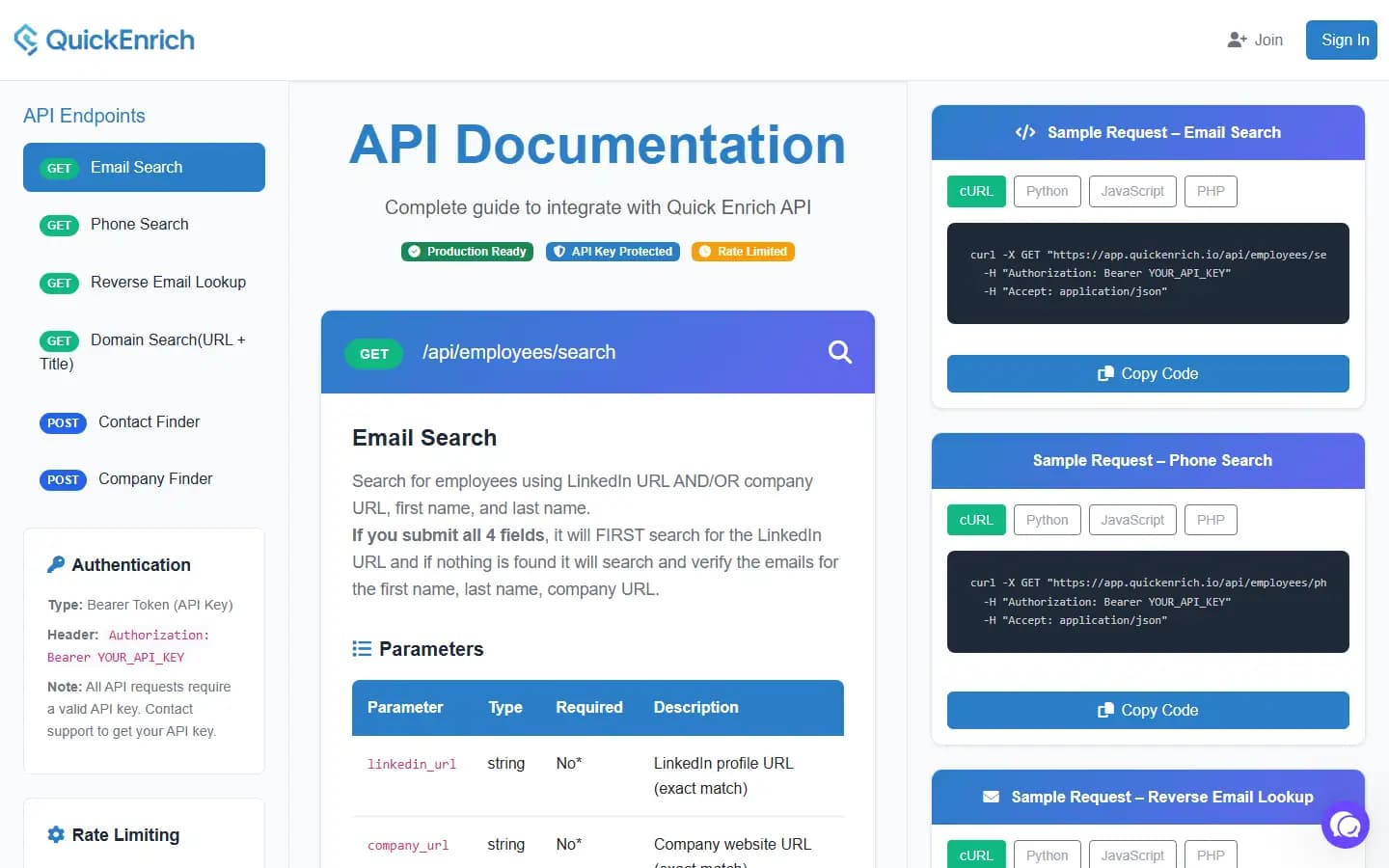
- QuickEnrich or GetLeads when the job is raw data at volume; test both against the actual segment before treating “unlimited” as value.
- EmailBison for sending.
- Hypertide or Zapmail when infrastructure setup and scale justify the extra layer.
BlitzAPI can move toward A for somebody pushing serious LinkedIn data volume, but I kept it in B because the speed and error rate in my experience made it a harder default, and a flat price does not rescue a source you cannot rely on inside the workflow.
Larger team that needs shared context
- Codex or Claude Code for the technical home base, when the team has an owner for it.
- Octave for the shared GTM context.
- Clay for research and enrichment when the plan and economics fit.
- EmailBison for the technical send layer, with the infrastructure choice added at scale.
Clay is the loudest conditional placement on the board. On the legacy plan I called it instant S-tier material. Under the newer automation-priced shape I said it could sit much closer to B for a non-enterprise buyer. The tile stays in S because the final board is the displayed ruling, but the plan and your economics decide whether you should copy that placement into your own stack.
The five checks before you commit
Check the technical owner
Write down the person who will connect, monitor and debug the tool. “The team” is not a name. If there is no owner, favor a simpler product or delay the purchase.
Check the exact data job
Decide whether you need a primary database or raw records at volume. Waterfall enrichment is a different job. Novel company discovery is another one, and intent or signals only matter when they change what the campaign does. Those products can all say “data” on the homepage while solving completely different problems. AI Ark and Prospeo are primary database choices. QuickEnrich and GetLeads become more interesting for raw volume. Use Parallel when you are building your own list with other tools; use Exa when novel company discovery is the priority, then check whether its price and scale fit the job.
Check the sending shape
Write down the target market size and monthly sending volume. Add the channel mix, then say how carefully each lead must be worked. That is what separates the lemlist path from the high-volume infrastructure path.
Check the shared-context need
Count the people and agents that must use the same positioning and operating knowledge. One owner can defer the context platform. Several owners who keep re-explaining the same ICP have the problem Octave solves.
Run one live test
Use a real segment and a small workflow. Before the test, write down the result that would make you keep the tool and the result that would make you cut it. Check data freshness by hand, run the integration you actually need, send through the reply path, and make the person who will own it recover one failure. Then compare the result with the current way of doing the job. A polished demo does not tell you whether the product survives your conditions, and a trial without a pass/fail rule has a funny habit of becoming another subscription.
How I use the tiers
I used S for tools I would put near the centre of a stack when their condition applies, A for strong recommendations with a clear job, and B for useful tools with meaningful trade-offs. C holds tools back because of price, replaceability or fit. D is what I would avoid under my operating model.
Several tools have a displayed tier and a conditional spoken verdict. AI Ark is A and can be S for some operators. EmailBison is S for a technical coding-agent user and closer to A otherwise. FullEnrich was spoken between B and C, then fixed at C on the final board. Fireflies moved from an initial A reaction to B in the same thought. GetLeads and BlitzAPI carry similar conditions. So do Clay, Octave and Trigify.
I am keeping those conflicts visible because they tell you when my placement should apply to your stack.
The full 47-tool decision guide
Use the interactive 47-tool guide on this page to compare each final-board tier and best use. Every dossier includes the choose/skip condition, a substitute when the source supports one, and linked public integration evidence.
Public product facts are dated and linked to the vendor that owns them. My reliability, value and experience judgments stay mine. When the public evidence does not support a categorical “none,” the dossier says unverified instead of pretending the absence of documentation is proof.
What to skip
I would skip the autonomous AI SDR category when nobody with taste owns the work. The D row holds 11x and AiSDR alongside Artisan and Regie.ai for that reason, although the strength of the evidence differs: some of the verdict comes from direct or client experience and some is explicitly what I have heard.
I would skip ZoomInfo for the contracts and price under the alternatives available to me, while leaving room for an enterprise buyer with different constraints. I would skip Make because n8n or custom deployment fits how I build. I would avoid treating any C-tier waterfall tool as the primary database, and I would not buy an intent platform until a small test proves the signal changes targeting or messaging enough to matter.
Want the stack mapped around your motion?
If you want LeadGrow to do this with you, we will map the minimum viable stack around your ICP and technical owner. The market size and sending model decide the rest. We will show you what to keep or cut, identify the integrations that deserve attention first, then define the first live test so the decision gets made with your data instead of forty-seven vendor demos.
The direct next step is the LeadGrow contact page. Ask for a GTM stack assessment and we will map the smallest system that can run the motion.
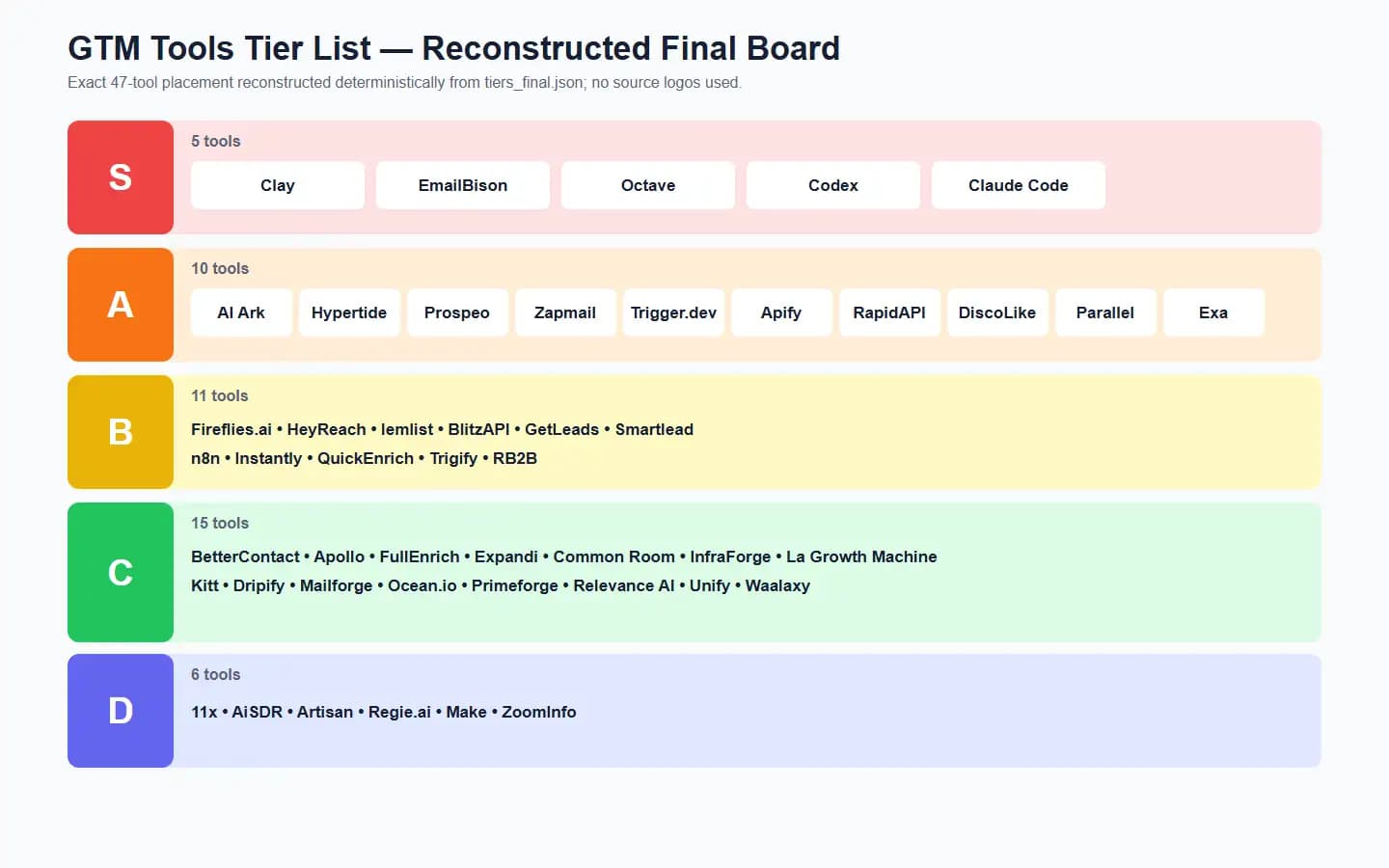
| Tool | Tier | MCP | CLI | API |
|---|---|---|---|---|
| Clay | S | Official | Unverified | Unverified |
| EmailBison | S | Unverified | Unverified | Full |
| Octave | S | Unverified | Unverified | Unverified |
| Codex | S | Unverified | Official | Unverified |
| Claude Code | S | Unverified | Unverified | Unverified |
| AI Ark | A | Unverified | Unverified | Unverified |
| Hypertide | A | Unverified | Unverified | Unverified |
| Prospeo | A | Unverified | Unverified | Unverified |
| Zapmail | A | Unverified | Unverified | Unverified |
| Trigger.dev | A | Unverified | Unverified | Unverified |
| Apify | A | Unverified | Unverified | Unverified |
| RapidAPI | A | Unverified | Unverified | Unverified |
| DiscoLike | A | Unverified | Unverified | Unverified |
| Parallel | A | Unverified | Unverified | Unverified |
| Exa | A | Unverified | Unverified | Unverified |
| Fireflies.ai | B | Unverified | Unverified | Unverified |
| HeyReach | B | Unverified | Unverified | Unverified |
| lemlist | B | Unverified | Unverified | Unverified |
| BlitzAPI | B | Unverified | Unverified | Unverified |
| GetLeads | B | Official | Unverified | Unverified |
| Smartlead | B | Unverified | Unverified | Unverified |
| n8n | B | Unverified | Unverified | Unverified |
| Instantly | B | Unverified | Unverified | Unverified |
| QuickEnrich | B | Unverified | Unverified | Unverified |
| Trigify | B | Official | Unverified | Full |
| RB2B | B | Unverified | Unverified | Unverified |
| BetterContact | C | Unverified | Unverified | Unverified |
| Apollo | C | Official | Unverified | Unverified |
| FullEnrich | C | Official | Unverified | Unverified |
| Expandi | C | Unverified | Unverified | Unverified |
| Common Room | C | Official | Official | Unverified |
| InfraForge | C | Unverified | Unverified | Unverified |
| La Growth Machine | C | Unverified | Unverified | Unverified |
| Kitt | C | Unverified | Unverified | Unverified |
| Dripify | C | Unverified | Unverified | Unverified |
| Mailforge | C | Official | Official | Unverified |
| Ocean.io | C | Official | Unverified | Unverified |
| Primeforge | C | Unverified | Unverified | Unverified |
| Relevance AI | C | Unverified | Unverified | Unverified |
| Unify | C | Unverified | Unverified | Unverified |
| Waalaxy | C | Official | Unverified | Unverified |
| 11x | D | Unverified | Unverified | Unverified |
| AiSDR | D | Unverified | Unverified | None |
| Artisan | D | Unverified | Unverified | Unverified |
| Regie.ai | D | Unverified | Unverified | Unverified |
| Make | D | Official | Unverified | Unverified |
| ZoomInfo | D | Unverified | Unverified | Unverified |
Clay — S tier
- Best use
- Research and enrichment system builder
- Choose it when
- You have a legacy plan or enterprise cost tolerance.
- Skip it when
- New-plan cost does not fit the system.
- Use instead
- Floker or Databar.
- Verdict
- My call is S tier. Claygent gives me a very strong web-research and enrichment layer when the economics work, but the legacy-plan version of the decision is materially better than the newer automation-priced version for a non-enterprise buyer.
Pros
- Claygent gives me a very strong web-research and enrichment layer when the economics work.
- Integration status checked 2026-09-01 — MCP: Official; CLI: Unverified; API: Unverified.
Cons
- The legacy-plan version of the decision is materially better than the newer automation-priced version for a non-enterprise buyer.
EmailBison — S tier
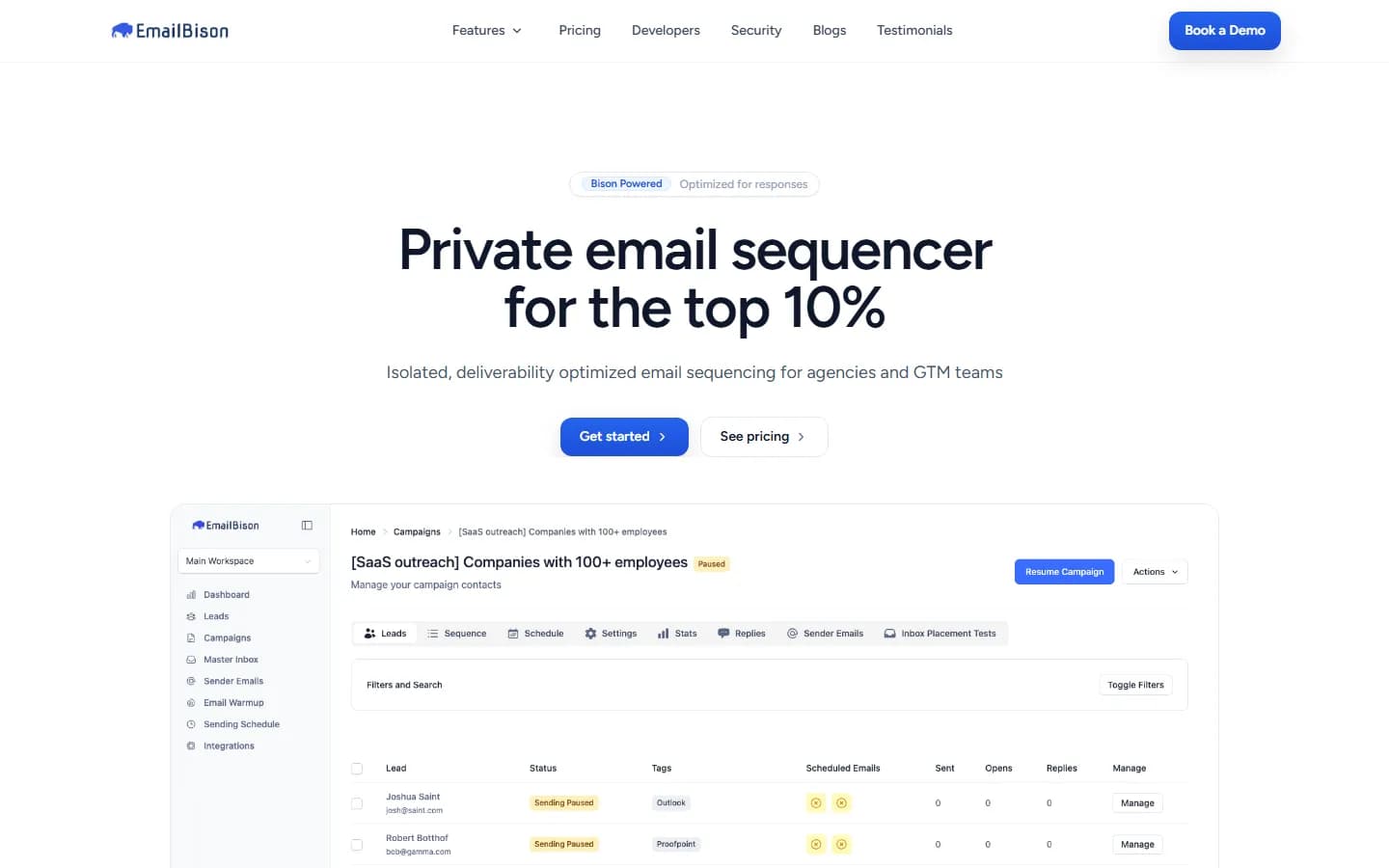
- Best use
- Technical send-layer operator
- Choose it when
- An API-first, technical setup and deliverability help fit.
- Skip it when
- You do not have a technical operator.
- Use instead
- Defer the purchase until the use case is clearer.
- Verdict
- I have EmailBison in S. The API-first shape, deliverability help, and customer success make it unusually expandable in a technical stack, but the S-tier ruling assumes somebody can actually operate the API-first system.
Pros
- The API-first shape, deliverability help, and customer success make it unusually expandable in a technical stack.
- Integration status checked 2026-09-01 — MCP: Unverified; CLI: Unverified; API: Full.
Cons
- The S-tier ruling assumes somebody can actually operate the API-first system.
Octave — S tier
- Best use
- Large team needing shared GTM context
- Choose it when
- Multiple operators need to work from the same context.
- Skip it when
- You are a single operator without that shared-context need.
- Use instead
- Defer the purchase until the use case is clearer.
- Verdict
- Octave lands in S for me. It makes a shared proprietary GTM context much easier for a larger team to keep coherent; a single operator can carry the context without adding another platform.
Pros
- It makes a shared proprietary GTM context much easier for a larger team to keep coherent.
- Integration status checked 2026-09-01 — MCP: Unverified; CLI: Unverified; API: Unverified.
Cons
- A single operator can carry the context without adding another platform.
Codex — S tier
- Best use
- Coding-agent operator
- Choose it when
- You want a flexible home base with fewer interfaces.
- Skip it when
- You only need a point solution.
- Use instead
- Claude Code.
- Verdict
- I have Codex in S. It gives me a flexible home base and replaces a pile of separate interfaces, but it is overkill when the job is one narrow point solution.
Pros
- It gives me a flexible home base and replaces a pile of separate interfaces.
- Integration status checked 2026-09-01 — MCP: Unverified; CLI: Official; API: Unverified.
Cons
- It is overkill when the job is one narrow point solution.
Claude Code — S tier
- Best use
- Coding-agent operator
- Choose it when
- You want a flexible home base.
- Skip it when
- Its writing system prompt disrupts your work.
- Use instead
- Codex.
- Verdict
- Claude Code lands in S for me. It can serve as the same flexible home base as Codex; its current writing behavior disrupts my workflow more than Codex does.
Pros
- It can serve as the same flexible home base as Codex.
- Integration status checked 2026-09-01 — MCP: Unverified; CLI: Unverified; API: Unverified.
Cons
- Its current writing behavior disrupts my workflow more than Codex does.
AI Ark — A tier

- Best use
- Primary-database buyer
- Choose it when
- Creative filters, intuitive use, and price are priorities.
- Skip it when
- Freshness and API strength are your leading criteria.
- Use instead
- Prospeo.
- Verdict
- My call is A tier. Creative people and company filters can shrink the list before downstream spend starts, but I would favor Prospeo when freshness and API strength matter more than filter creativity.
Pros
- Creative people and company filters can shrink the list before downstream spend starts.
- Integration status checked 2026-09-01 — MCP: Unverified; CLI: Unverified; API: Unverified.
Cons
- I would favor Prospeo when freshness and API strength matter more than filter creativity.
Hypertide — A tier
- Best use
- At-scale cold-email infrastructure buyer
- Choose it when
- You need automated cold-email setup at scale.
- Skip it when
- You do not send at scale.
- Use instead
- Zapmail.
- Verdict
- Hypertide lands in A for me. It takes a lot of the repetitive setup out of cold-email infrastructure at scale; that infrastructure layer is premature before the sending volume exists.
Pros
- It takes a lot of the repetitive setup out of cold-email infrastructure at scale.
- Integration status checked 2026-09-01 — MCP: Unverified; CLI: Unverified; API: Unverified.
Cons
- That infrastructure layer is premature before the sending volume exists.
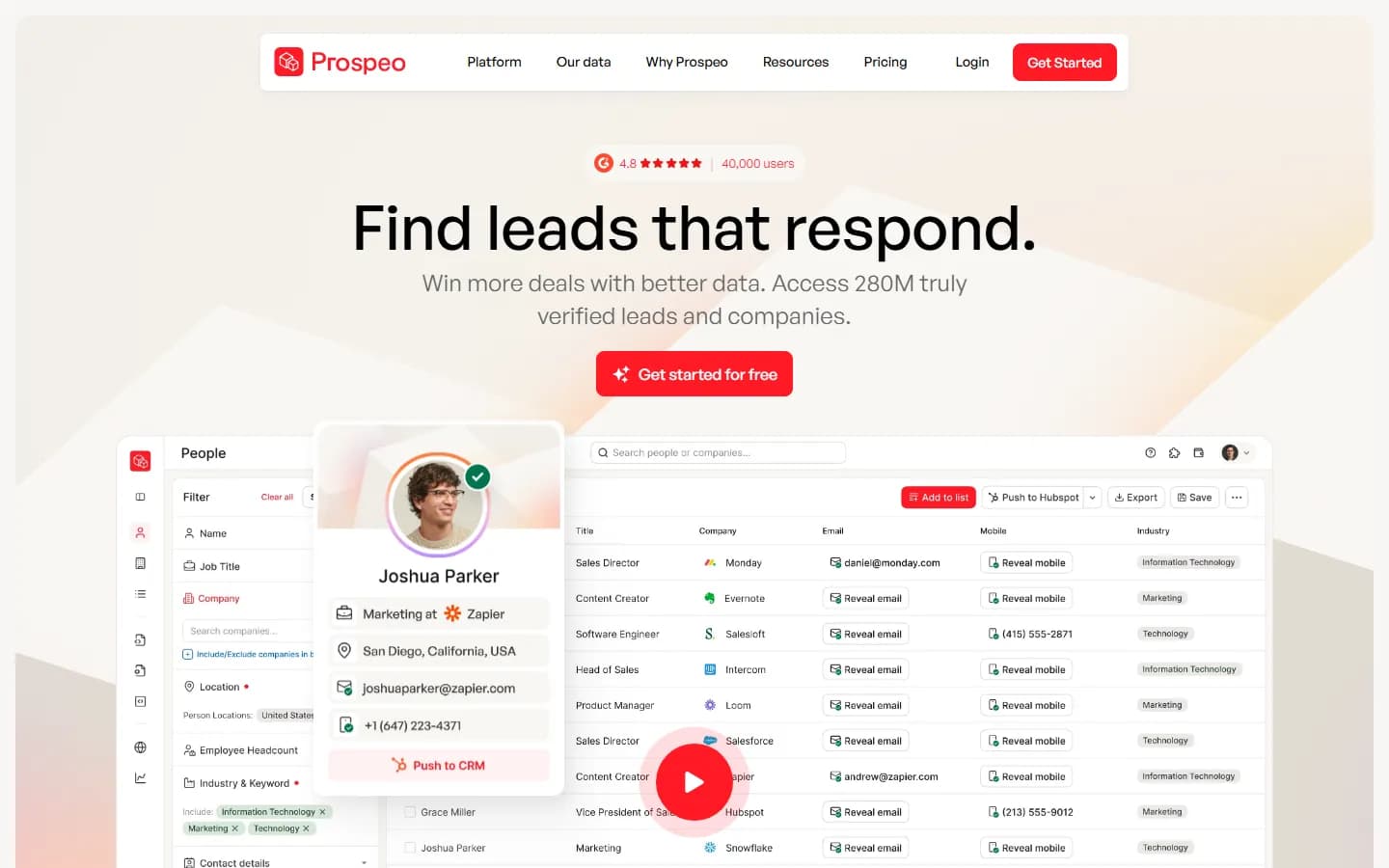
Prospeo — A tier
- Best use
- Primary-database buyer
- Choose it when
- Freshness and API strength lead the decision.
- Skip it when
- Price and creative people filters lead the decision.
- Use instead
- AI Ark.
- Verdict
- I keep Prospeo in A: freshness and API strength make it one of my two preferred primary-database choices; AI Ark is the stronger fork when price and creative people filters lead the decision.
Pros
- Freshness and API strength make it one of my two preferred primary-database choices.
- Integration status checked 2026-09-01 — MCP: Unverified; CLI: Unverified; API: Unverified.
Cons
- AI Ark is the stronger fork when price and creative people filters lead the decision.
Zapmail — A tier
- Best use
- Email-infrastructure buyer
- Choose it when
- Price and features fit your infrastructure needs.
- Skip it when
- You do not need sending infrastructure yet.
- Use instead
- Hypertide.
- Verdict
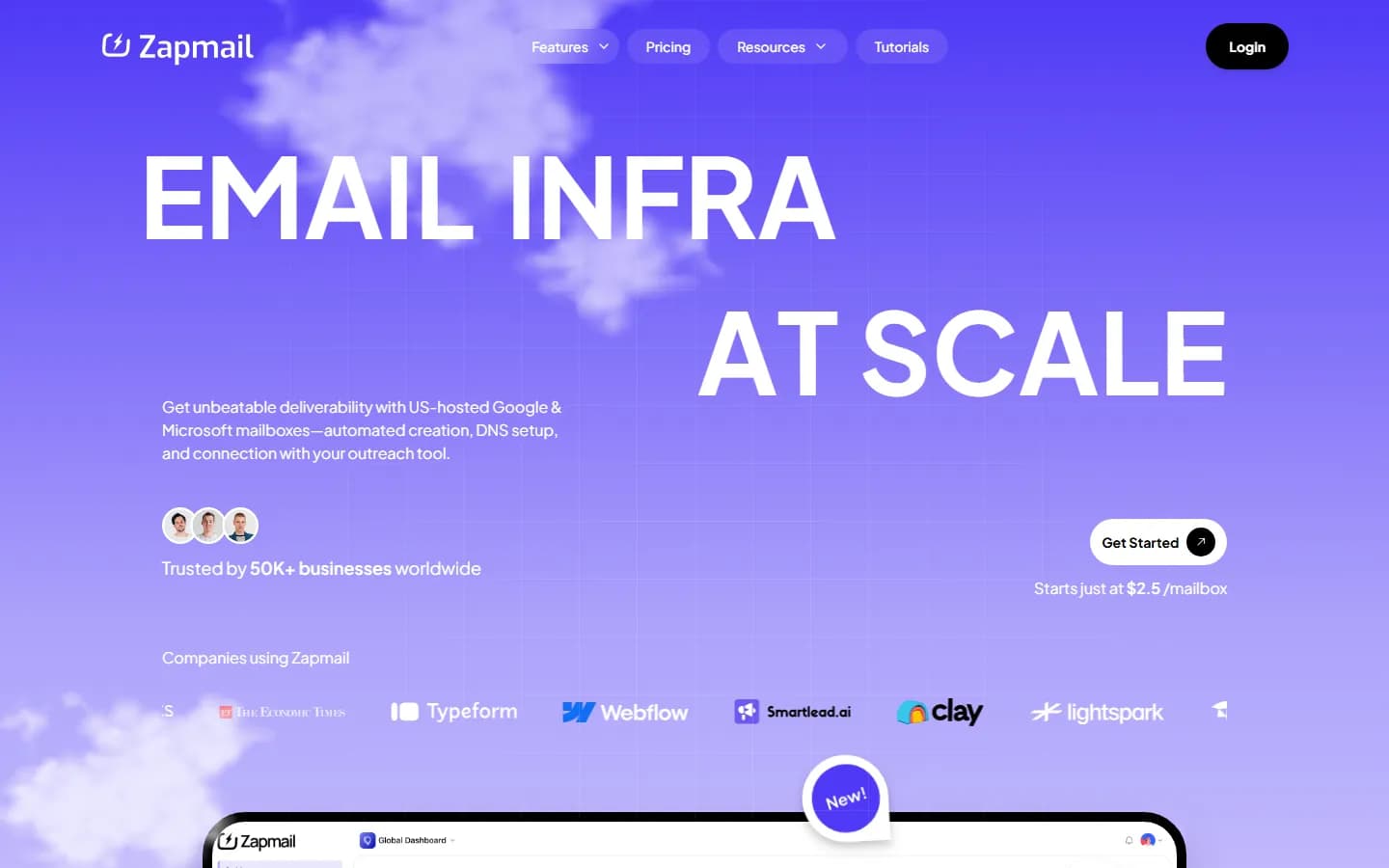
- Zapmail lands in A for me. The price and feature mix make it a strong day-one infrastructure partner; it adds nothing until the motion genuinely needs dedicated sending infrastructure.
Pros
- The price and feature mix make it a strong day-one infrastructure partner.
- Integration status checked 2026-09-01 — MCP: Unverified; CLI: Unverified; API: Unverified.
Cons
- It adds nothing until the motion genuinely needs dedicated sending infrastructure.
Trigger.dev — A tier
- Best use
- Technical workflow builder
- Choose it when
- You need stateful retries and TypeScript deployment.
- Skip it when
- You need a nontechnical, general automation path.
- Use instead
- n8n.
- Verdict
- I keep Trigger.dev in A: stateful retries and TypeScript deployment fit the way I build agentic workflows; n8n is easier to justify for general automation or a less-technical owner.
Pros
- Stateful retries and TypeScript deployment fit the way I build agentic workflows.
- Integration status checked 2026-09-01 — MCP: Unverified; CLI: Unverified; API: Unverified.
Cons
- N8n is easier to justify for general automation or a less-technical owner.
Apify — A tier
- Best use
- Scraping and data-source explorer
- Choose it when
- You need breadth, scraping, and source discovery.
- Skip it when
- A direct creator/vendor is already identified at scale.
- Use instead
- RapidAPI or direct vendor.
- Verdict
- My call is A tier. The breadth of scrapers and social sources gives a technical operator a lot of room to build, but once the right provider is known and volume is stable, buying direct can be cleaner.
Pros
- The breadth of scrapers and social sources gives a technical operator a lot of room to build.
- Integration status checked 2026-09-01 — MCP: Unverified; CLI: Unverified; API: Unverified.
Cons
- Once the right provider is known and volume is stable, buying direct can be cleaner.
RapidAPI — A tier
- Best use
- API-source explorer
- Choose it when
- You need niche sources and experimentation.
- Skip it when
- A direct provider is identified at scale.
- Use instead
- Apify or direct vendor.
- Verdict
- RapidAPI lands in A for me. It is useful for discovering niche APIs and testing a data idea quickly; a marketplace layer is less attractive once a direct provider has proved itself at scale.
Pros
- It is useful for discovering niche APIs and testing a data idea quickly.
- Integration status checked 2026-09-01 — MCP: Unverified; CLI: Unverified; API: Unverified.
Cons
- A marketplace layer is less attractive once a direct provider has proved itself at scale.
DiscoLike — A tier
- Best use
- Easy-outbound data-provider buyer
- Choose it when
- You want outbound made as easy as possible, especially with Claude Code.
- Skip it when
- You need the filtering simplicity of a primary database.
- Use instead
- AI Ark or Prospeo.
- Verdict
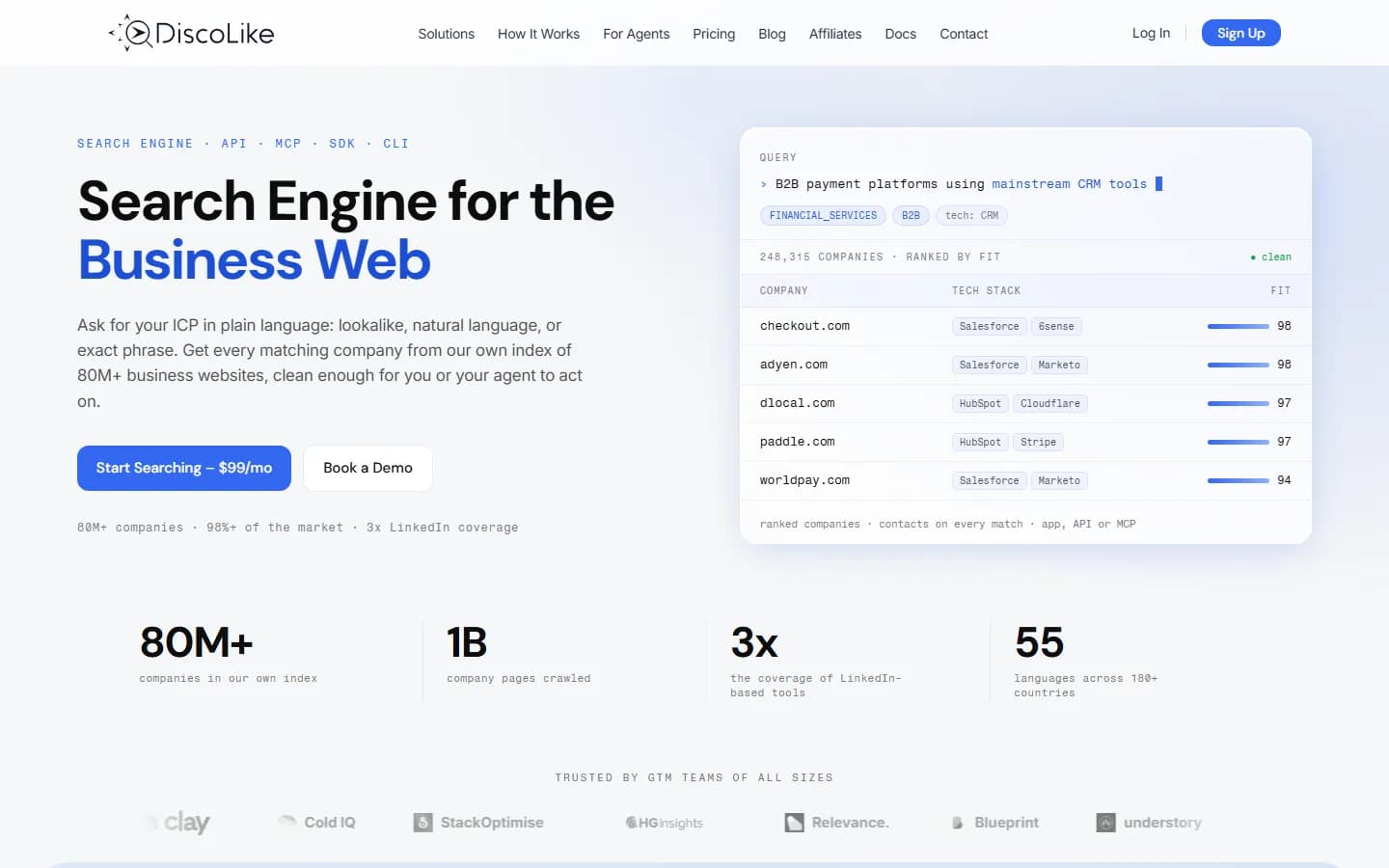
- I have DiscoLike in A. It can make novel outbound list building remarkably direct, especially from a coding-agent workflow, but its filtering takes more work than a conventional primary database.
Pros
- It can make novel outbound list building remarkably direct, especially from a coding-agent workflow.
- Integration status checked 2026-09-01 — MCP: Unverified; CLI: Unverified; API: Unverified.
Cons
- Its filtering takes more work than a conventional primary database.
Parallel — A tier
- Best use
- Custom-list builder
- Choose it when
- You are building your own list with other tools.
- Skip it when
- Novel-company-list depth is the priority.
- Use instead
- Exa.
- Verdict
- My call is A tier. It is a strong search layer when I am assembling the list with other tools, but Exa is the better fork when the job is novel company discovery rather than general list construction.
Pros
- It is a strong search layer when I am assembling the list with other tools.
- Integration status checked 2026-09-01 — MCP: Unverified; CLI: Unverified; API: Unverified.
Cons
- Exa is the better fork when the job is novel company discovery rather than general list construction.
Exa — A tier
- Best use
- Novel-company-list builder
- Choose it when
- You need novel company lists from many sources.
- Skip it when
- Price and scale are limiting.
- Use instead
- Parallel.
- Verdict
- Exa lands in A for me. Websets make it useful for finding novel company sets across a wide source base; price and scalability keep it below the primary-database choices for some motions.
Pros
- Websets make it useful for finding novel company sets across a wide source base.
- Integration status checked 2026-09-01 — MCP: Unverified; CLI: Unverified; API: Unverified.
Cons
- Price and scalability keep it below the primary-database choices for some motions.
Fireflies.ai — B tier
- Best use
- Team meeting-knowledge builder
- Choose it when
- You need organization-wide captured knowledge.
- Skip it when
- You need a uniquely differentiated meeting recorder.
- Use instead
- Defer the purchase until the use case is clearer.
- Verdict
- I keep Fireflies.ai in B: the real upside is building reusable knowledge across the organization, not merely recording meetings; the recorder itself is not differentiated enough for an automatic A-tier purchase.
Pros
- The real upside is building reusable knowledge across the organization, not merely recording meetings.
- Integration status checked 2026-09-01 — MCP: Unverified; CLI: Unverified; API: Unverified.
Cons
- The recorder itself is not differentiated enough for an automatic A-tier purchase.
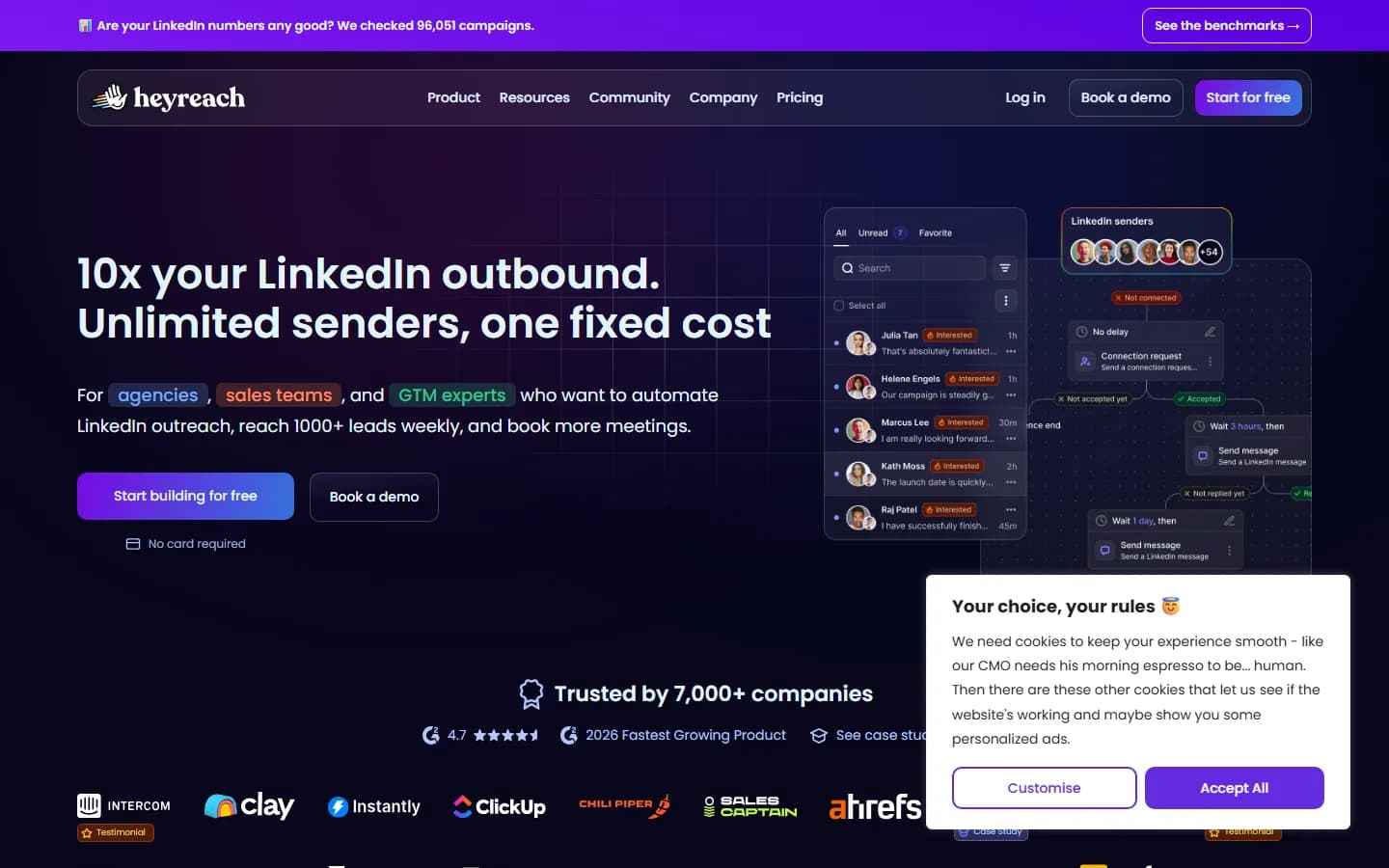
HeyReach — B tier
- Best use
- LinkedIn sequencing buyer
- Choose it when
- You need a mainstream LinkedIn sequencer.
- Skip it when
- High-skill InMail coordination is essential.
- Use instead
- lemlist.
- Verdict
- My call is B tier. It remains a credible mainstream LinkedIn sequencer, but the master-inbox pace and high-skill InMail coordination leave room for better fits.
Pros
- It remains a credible mainstream LinkedIn sequencer.
- Integration status checked 2026-09-01 — MCP: Unverified; CLI: Unverified; API: Unverified.
Cons
- The master-inbox pace and high-skill InMail coordination leave room for better fits.
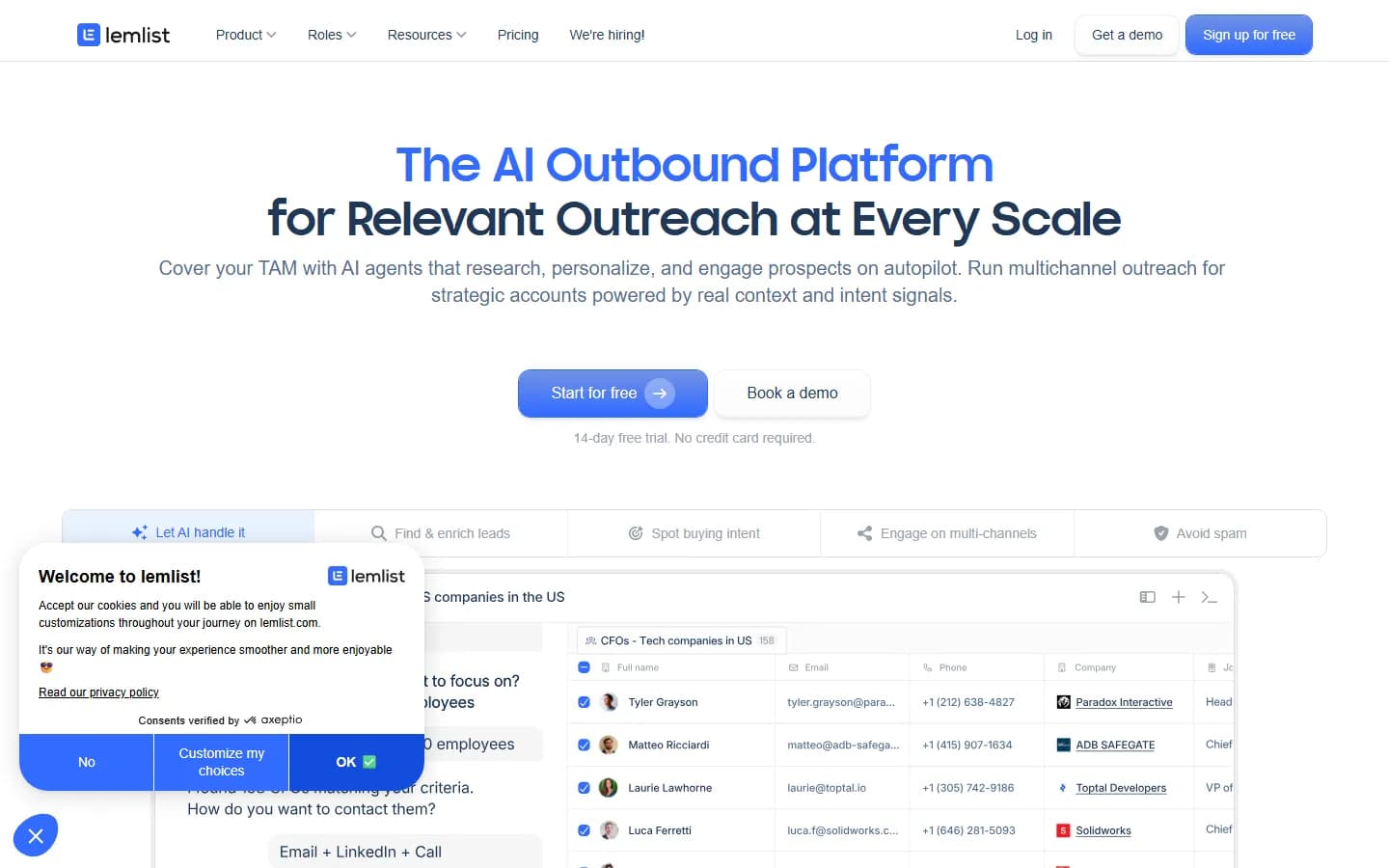
lemlist — B tier
- Best use
- Tight-market, low-volume multichannel sender
- Choose it when
- You need meticulous sequencing and continual lead work.
- Skip it when
- You need mass cold email or many inboxes.
- Use instead
- HeyReach.
- Verdict
- lemlist lands in B for me. It suits tight markets where each lead gets careful multichannel work; the inbox model is a poor fit for mass cold email and very high sending volume.
Pros
- It suits tight markets where each lead gets careful multichannel work.
- Integration status checked 2026-09-01 — MCP: Unverified; CLI: Unverified; API: Unverified.
Cons
- The inbox model is a poor fit for mass cold email and very high sending volume.
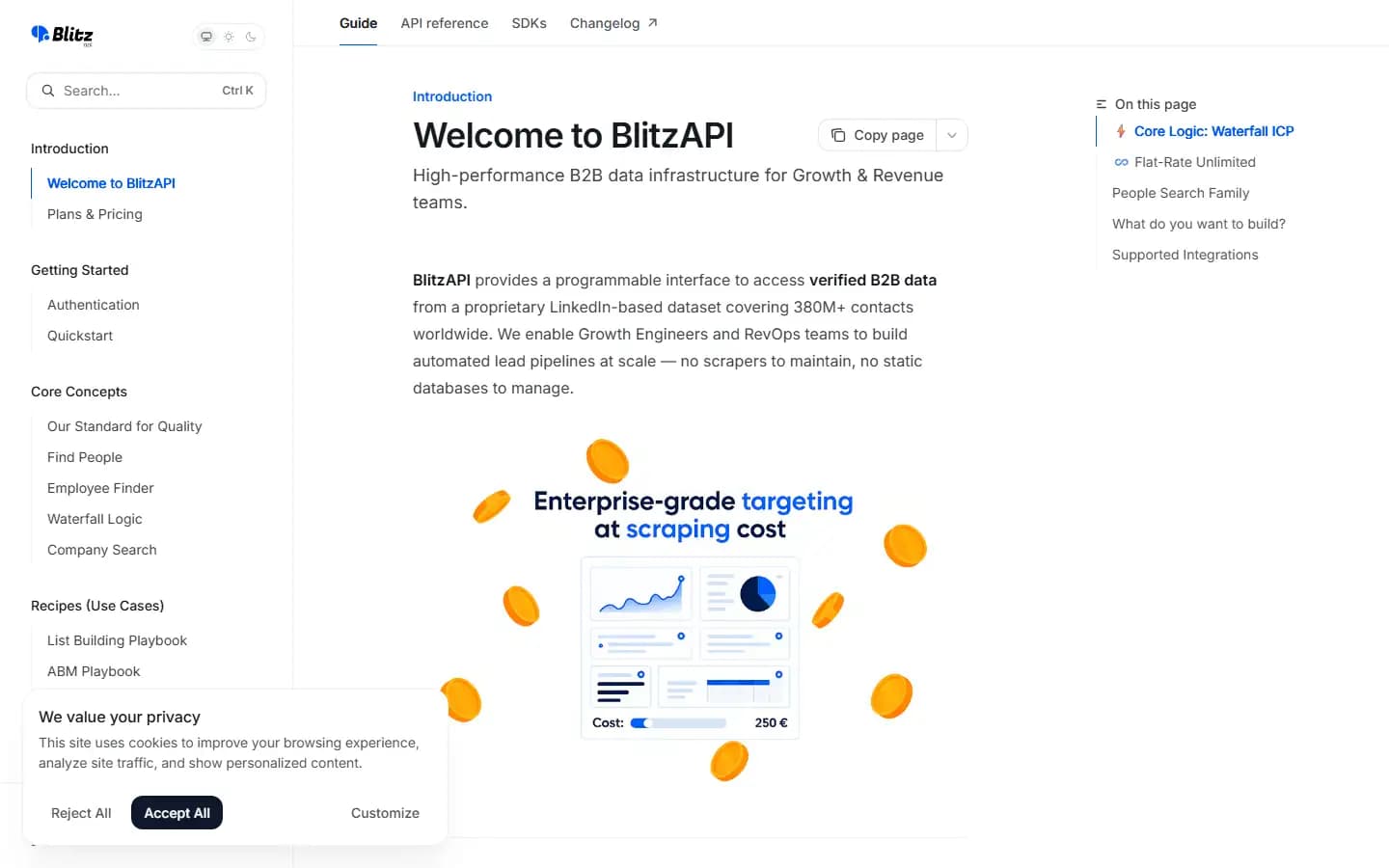
BlitzAPI — B tier
- Best use
- High-volume LinkedIn-data buyer
- Choose it when
- You can push enough volume for unlimited data to matter.
- Skip it when
- Low volume or API reliability matters more.
- Use instead
- QuickEnrich or GetLeads.
- Verdict
- I have BlitzAPI in B. Flat or unlimited data can become valuable for a heavy LinkedIn-data operator, but the speed and error rate I experienced make it a hard default.
Pros
- Flat or unlimited data can become valuable for a heavy LinkedIn-data operator.
- Integration status checked 2026-09-01 — MCP: Unverified; CLI: Unverified; API: Unverified.
Cons
- The speed and error rate I experienced make it a hard default.
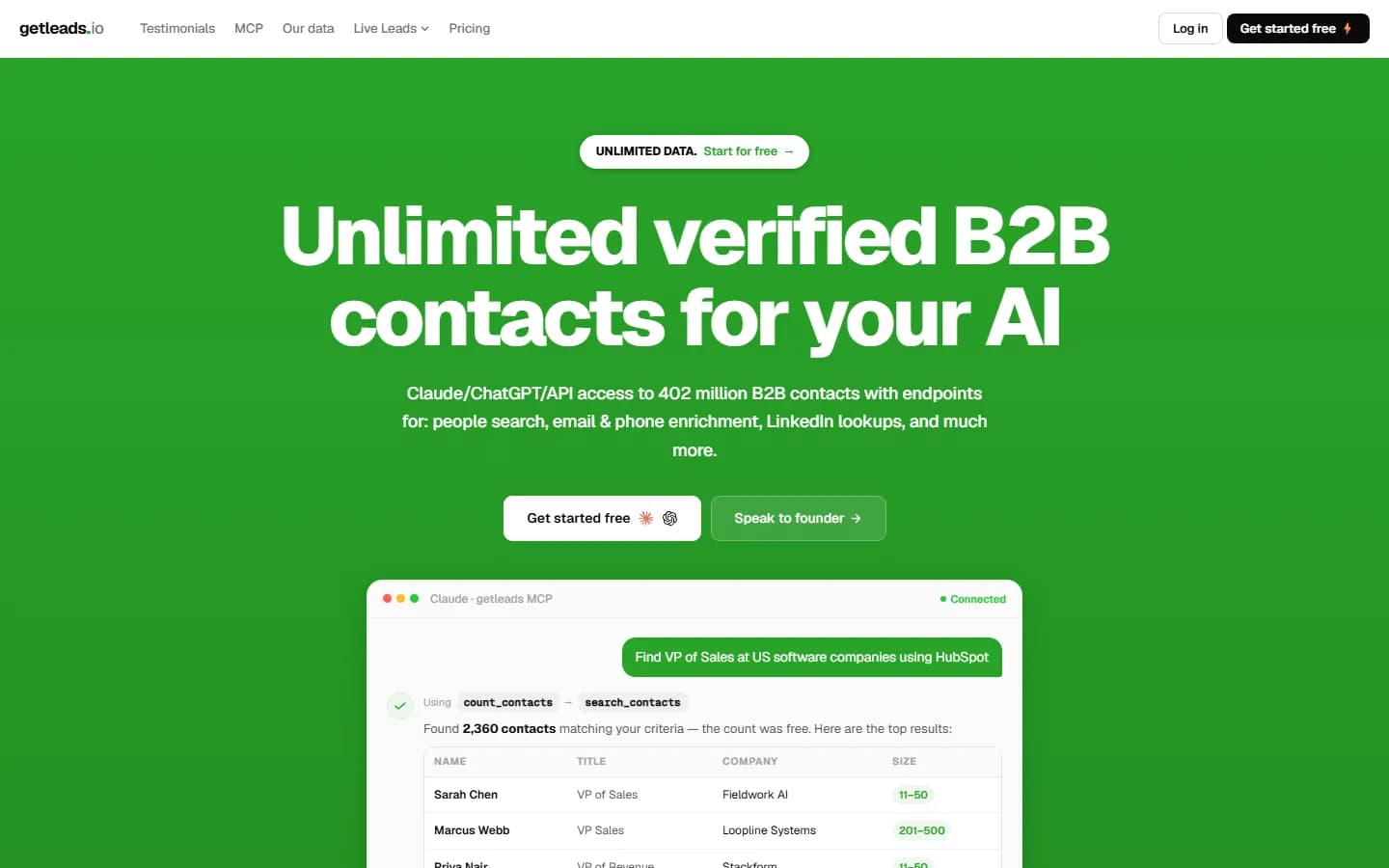
GetLeads — B tier
- Best use
- Raw unlimited-data buyer
- Choose it when
- You need raw data and are a heavy Claude Code user.
- Skip it when
- You need easy why-you/why-now filtering.
- Use instead
- QuickEnrich, AI Ark, or Prospeo.
- Verdict
- My call is B tier. Raw data volume can be extremely useful inside a coding-agent workflow, but it does not give me the easy why-you and why-now filtering of the primary-database choices.
Pros
- Raw data volume can be extremely useful inside a coding-agent workflow.
- Integration status checked 2026-09-01 — MCP: Official; CLI: Unverified; API: Unverified.
Cons
- It does not give me the easy why-you and why-now filtering of the primary-database choices.
Smartlead — B tier

- Best use
- Cold-email sequencer buyer
- Choose it when
- You need a sequencer and accept subjective variation.
- Skip it when
- Deliverability and flexibility are the priority.
- Use instead
- EmailBison.
- Verdict
- My call is B tier. It makes competent cold-email sequencing accessible and plenty of operators like it, but my own experience was poor and I still prefer EmailBison for deliverability and flexibility.
Pros
- It makes competent cold-email sequencing accessible and plenty of operators like it.
- Integration status checked 2026-09-01 — MCP: Unverified; CLI: Unverified; API: Unverified.
Cons
- My own experience was poor and I still prefer EmailBison for deliverability and flexibility.
n8n — B tier
- Best use
- Automation builder
- Choose it when
- You want self-hosted loops and general automation.
- Skip it when
- Stateful agent workflows and TypeScript deployment are the first need.
- Use instead
- Trigger.dev.
- Verdict
- I keep n8n in B: self-hosting, loops, and general workflow breadth make it the practical automation default for many teams; Trigger.dev is the better fit when stateful retries and TypeScript deployment are the actual job.
Pros
- Self-hosting, loops, and general workflow breadth make it the practical automation default for many teams.
- Integration status checked 2026-09-01 — MCP: Unverified; CLI: Unverified; API: Unverified.
Cons
- Trigger.dev is the better fit when stateful retries and TypeScript deployment are the actual job.
Instantly — B tier
- Best use
- Sequencer/master-inbox consolidation buyer
- Choose it when
- An out-of-box reply agent can replace another tool.
- Skip it when
- Feature bloat or deliverability/flexibility is the concern.
- Use instead
- Smartlead or EmailBison.
- Verdict
- Instantly lands in B for me. The reply agent can remove a separate master-inbox tool from the stack; feature bloat and the sending tradeoffs still need a live test.
Pros
- The reply agent can remove a separate master-inbox tool from the stack.
- Integration status checked 2026-09-01 — MCP: Unverified; CLI: Unverified; API: Unverified.
Cons
- Feature bloat and the sending tradeoffs still need a live test.
QuickEnrich — B tier
- Best use
- Unlimited raw-data buyer
- Choose it when
- You need raw data rather than provider extras.
- Skip it when
- You need why-you/why-now filtering.
- Use instead
- GetLeads, AI Ark, or Prospeo.
- Verdict
- QuickEnrich lands in B for me. It keeps the raw-data job simple instead of bundling extras I do not need; it does not replace the why-you and why-now filters of a primary database.
Pros
- It keeps the raw-data job simple instead of bundling extras I do not need.
- Integration status checked 2026-09-01 — MCP: Unverified; CLI: Unverified; API: Unverified.
Cons
- It does not replace the why-you and why-now filters of a primary database.
Trigify — B tier
- Best use
- Signal-workflow buyer
- Choose it when
- You can test whether its out-of-box workflow works for you.
- Skip it when
- Reliability is critical.
- Use instead
- Defer the purchase until the use case is clearer.
- Verdict
- Trigify lands in B for me. The out-of-box signal workflow can be excellent when it works; I churned after it became slow, stale, and unreliable in my own workflow.
Pros
- The out-of-box signal workflow can be excellent when it works.
- Integration status checked 2026-09-01 — MCP: Official; CLI: Unverified; API: Full.
Cons
- I churned after it became slow, stale, and unreliable in my own workflow.
RB2B — B tier
- Best use
- Visitor-retargeting buyer
- Choose it when
- The tactic still works for your audience.
- Skip it when
- Your audience is tactic-aware or indifferent.
- Use instead
- Defer the purchase until the use case is clearer.
- Verdict
- I keep RB2B in B: visitor retargeting can still create a timely follow-up when the audience responds to it; the tactic has lost force as buyers have become more aware of it.
Pros
- Visitor retargeting can still create a timely follow-up when the audience responds to it.
- Integration status checked 2026-09-01 — MCP: Unverified; CLI: Unverified; API: Unverified.
Cons
- The tactic has lost force as buyers have become more aware of it.
BetterContact — C tier
- Best use
- Supplementary-enrichment buyer
- Choose it when
- You need a waterfall supplement, not a foundation.
- Skip it when
- You need primary-database filters.
- Use instead
- AI Ark or Prospeo.
- Verdict
- BetterContact lands in C for me. Waterfall enrichment is useful for filling a measured gap after the primary source runs; it is replaceable and does not provide the filtering advantage that should define the list.
Pros
- Waterfall enrichment is useful for filling a measured gap after the primary source runs.
- Integration status checked 2026-09-01 — MCP: Unverified; CLI: Unverified; API: Unverified.
Cons
- It is replaceable and does not provide the filtering advantage that should define the list.
Apollo — C tier
- Best use
- Broad data-source buyer
- Choose it when
- You independently validate data quality.
- Skip it when
- Freshness is decision-critical.
- Use instead
- AI Ark or Prospeo.
- Verdict
- I have Apollo in C. It offers a broad conventional data-source path, but my recent sample was stale enough that I would not trust it without testing the exact segment.
Pros
- It offers a broad conventional data-source path.
- Integration status checked 2026-09-01 — MCP: Official; CLI: Unverified; API: Unverified.
Cons
- My recent sample was stale enough that I would not trust it without testing the exact segment.
FullEnrich — C tier
- Best use
- Supplementary-enrichment buyer
- Choose it when
- You accept a replaceable waterfall supplement.
- Skip it when
- You seek primary filtering advantage.
- Use instead
- BetterContact.
- Verdict
- I keep FullEnrich in C: it can fill missing contact data as a waterfall supplement; the service is replaceable and does not give the stack a primary filtering advantage.
Pros
- It can fill missing contact data as a waterfall supplement.
- Integration status checked 2026-09-01 — MCP: Official; CLI: Unverified; API: Unverified.
Cons
- The service is replaceable and does not give the stack a primary filtering advantage.
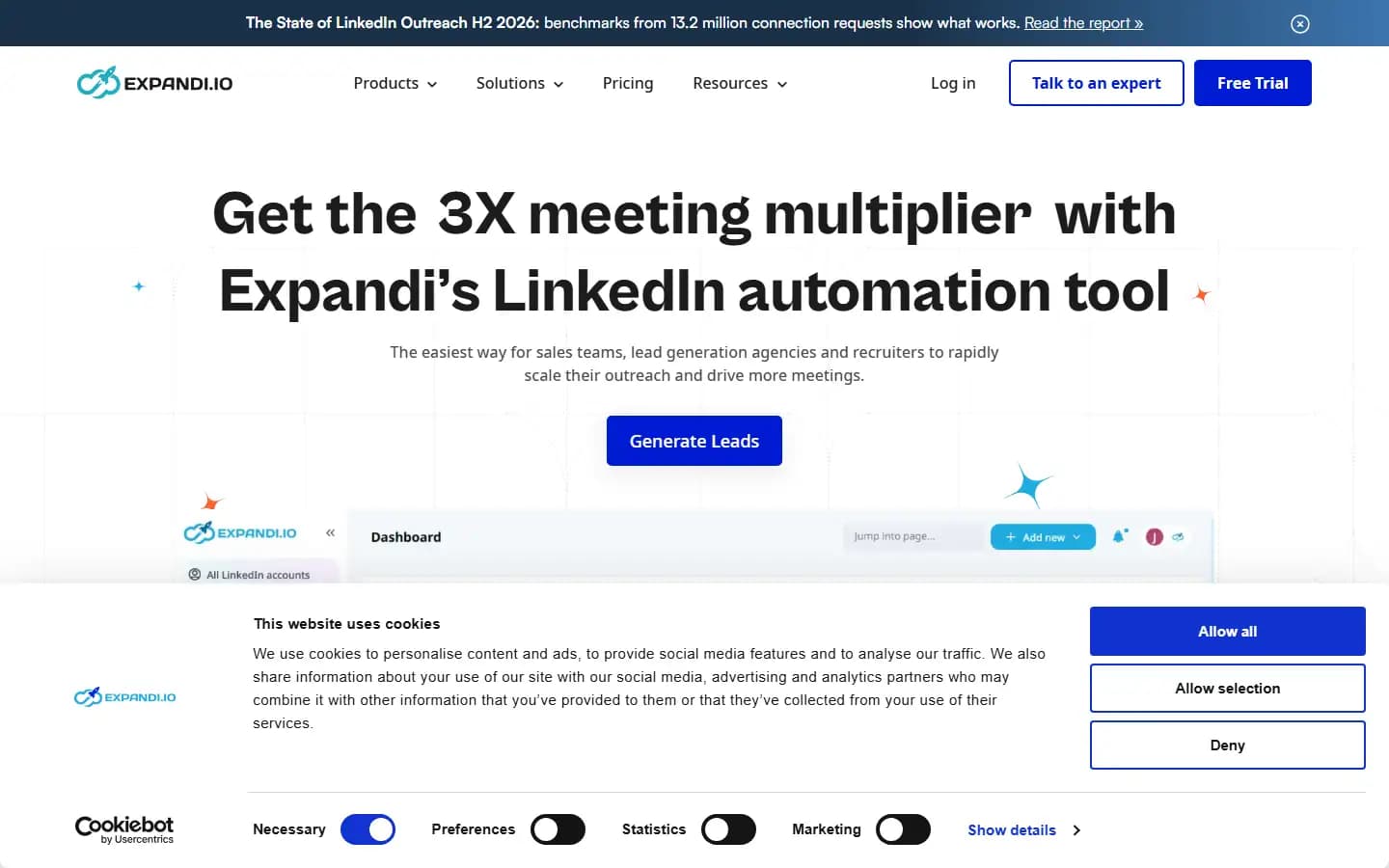
Expandi — C tier
- Best use
- Price-led LinkedIn-sequencer buyer
- Choose it when
- Price outweighs connection pain.
- Skip it when
- A stable connection experience is essential.
- Use instead
- HeyReach.
- Verdict
- My call is C tier. The price can make it tempting for a LinkedIn-sequencing use case, but account disconnections made it one of my worst connection experiences.
Pros
- The price can make it tempting for a LinkedIn-sequencing use case.
- Integration status checked 2026-09-01 — MCP: Unverified; CLI: Unverified; API: Unverified.
Cons
- Account disconnections made it one of my worst connection experiences.
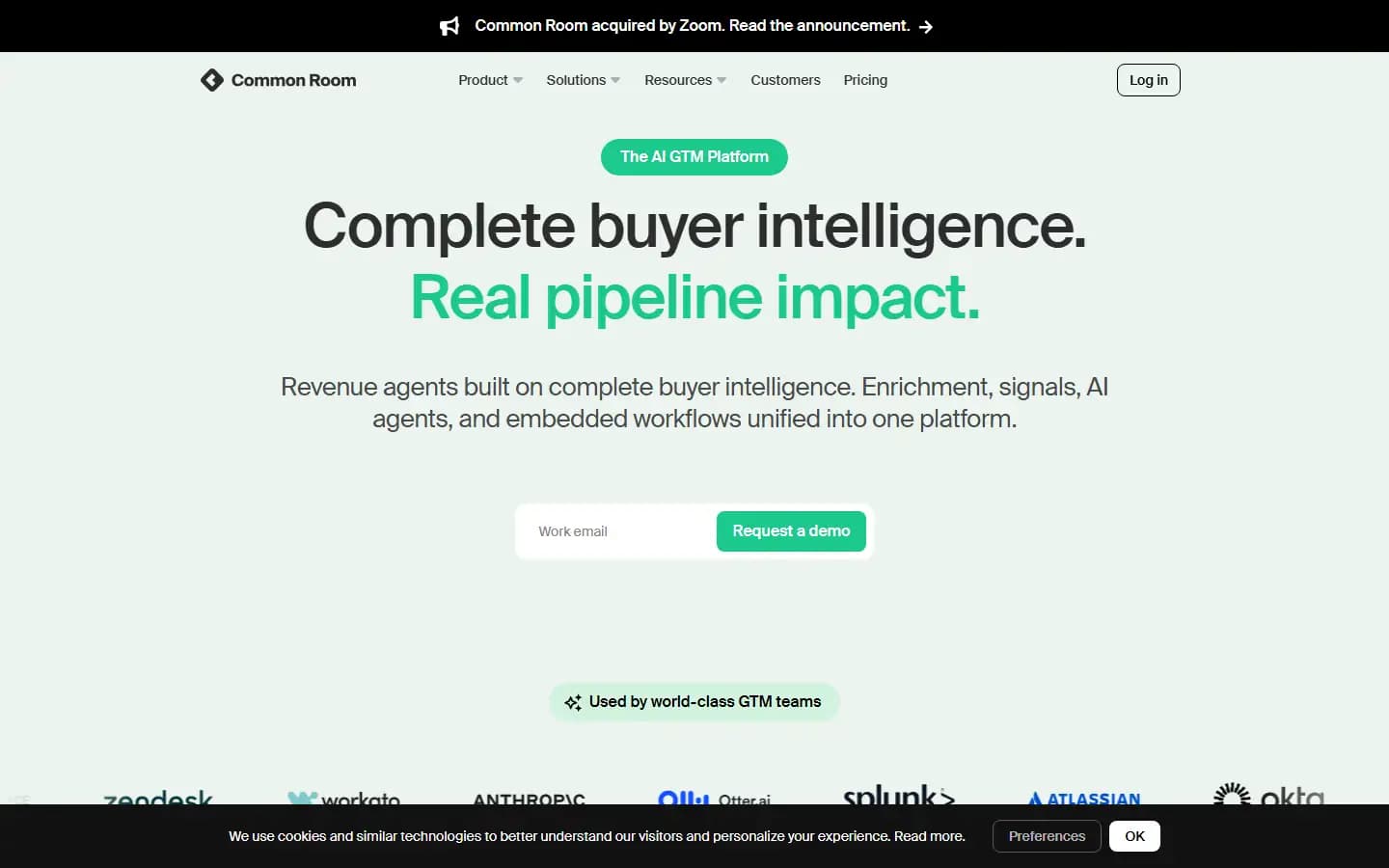
Common Room — C tier
- Best use
- Intent-signal buyer
- Choose it when
- You can validate a useful signal yourself.
- Skip it when
- You need primary data or a low-cost signal method.
- Use instead
- Cheaper providers, self, or Claude Code.
- Verdict
- I have Common Room in C. It can collect several intent and community signals in one place, but I find intent tools overrated when the same signal can be found more cheaply or built directly.
Pros
- It can collect several intent and community signals in one place.
- Integration status checked 2026-09-01 — MCP: Official; CLI: Official; API: Unverified.
Cons
- I find intent tools overrated when the same signal can be found more cheaply or built directly.
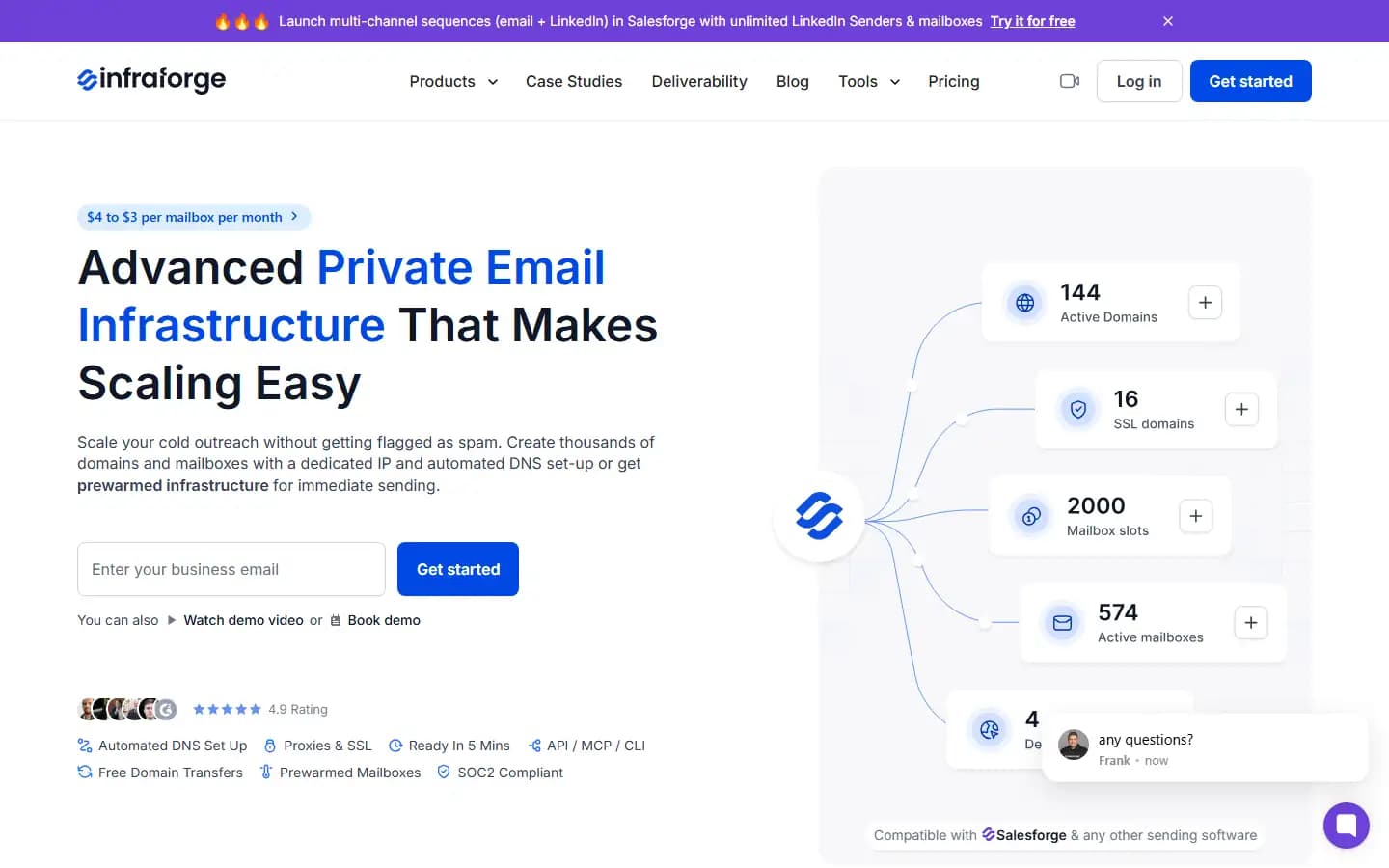
InfraForge — C tier
- Best use
- Email-infrastructure buyer
- Choose it when
- A live test beats your current workflow on the exact job you need done.
- Skip it when
- You need a focused provider or concerns rule it out.
- Use instead
- Hypertide or Zapmail.
- Verdict
- I have InfraForge in C. The infrastructure bundle has enough novelty to deserve a live test, but the reseller shape and unresolved concerns keep the recommendation deliberately cautious.
Pros
- The infrastructure bundle has enough novelty to deserve a live test.
- Integration status checked 2026-09-01 — MCP: Unverified; CLI: Unverified; API: Unverified.
Cons
- The reseller shape and unresolved concerns keep the recommendation deliberately cautious.
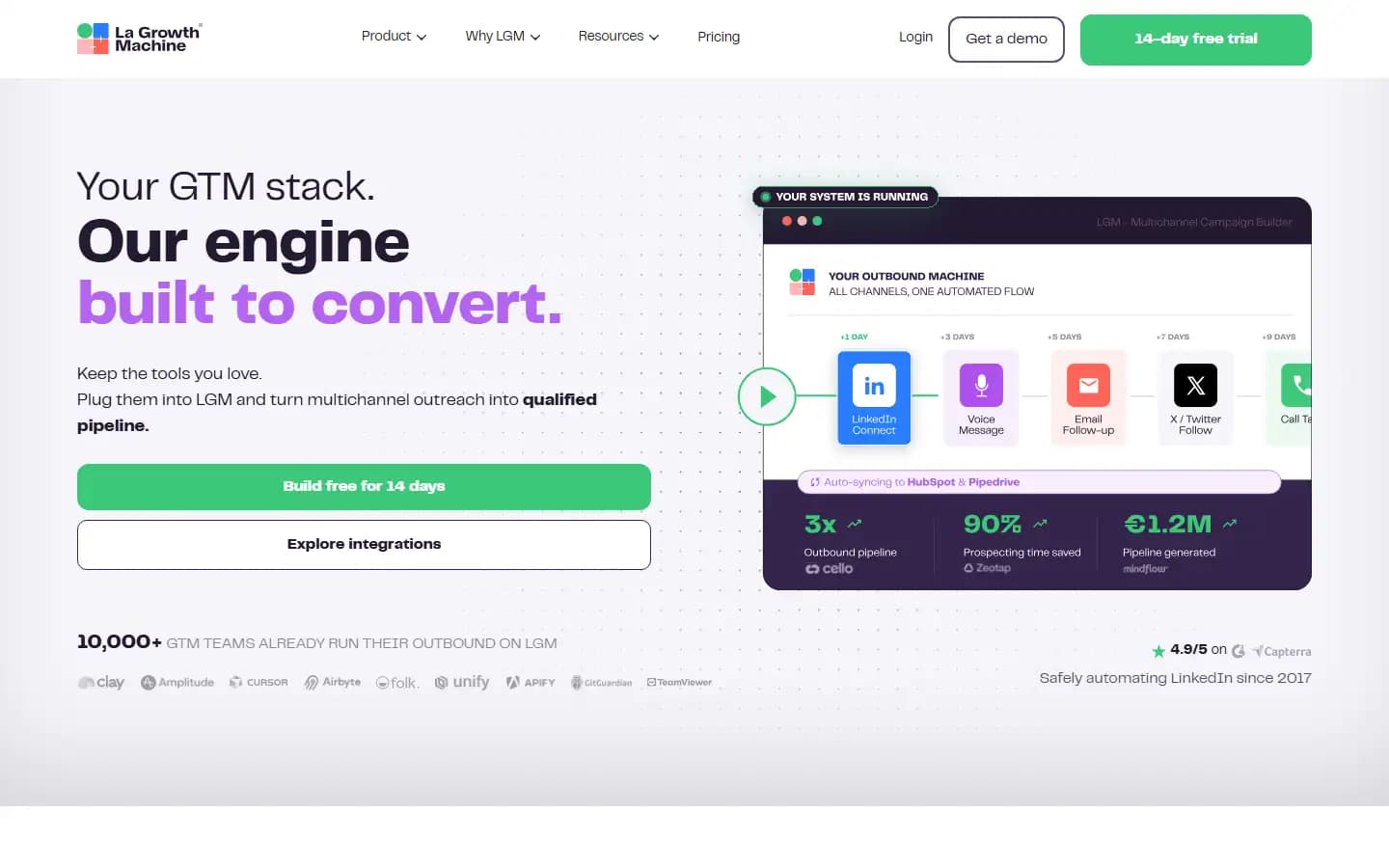
La Growth Machine — C tier
- Best use
- LinkedIn/multichannel buyer
- Choose it when
- A live test beats your current workflow on the exact job you need done.
- Skip it when
- lemlist fits the same job.
- Use instead
- lemlist.
- Verdict
- I have La Growth Machine in C. It covers the multichannel sequencing job, but I see lemlist as the better version of the same purchase.
Pros
- It covers the multichannel sequencing job.
- Integration status checked 2026-09-01 — MCP: Unverified; CLI: Unverified; API: Unverified.
Cons
- I see lemlist as the better version of the same purchase.
Kitt — C tier
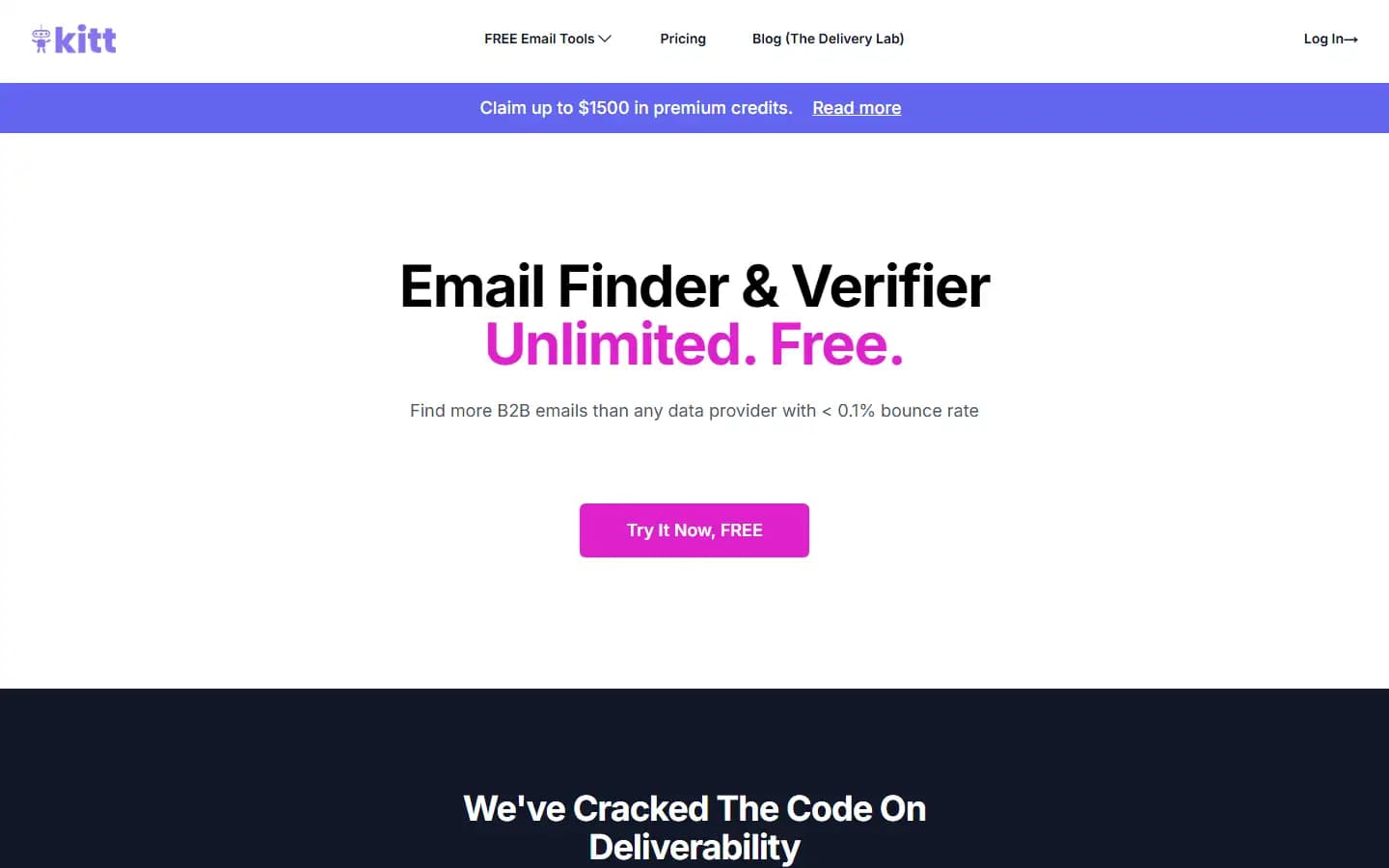
- Best use
- Lightweight email-finder buyer
- Choose it when
- You need simple per-credit use.
- Skip it when
- You need a primary database or deep workflow.
- Use instead
- FullEnrich.
- Verdict
- I keep Kitt in C: simple per-credit pricing and an easy email-finding job make it usable without much ceremony; it is still a contact finder rather than a primary database or deep workflow layer.
Pros
- Simple per-credit pricing and an easy email-finding job make it usable without much ceremony.
- Integration status checked 2026-09-01 — MCP: Unverified; CLI: Unverified; API: Unverified.
Cons
- It is still a contact finder rather than a primary database or deep workflow layer.
Dripify — C tier
- Best use
- Less-technical LinkedIn user
- Choose it when
- UX and integrations matter.
- Skip it when
- LinkedIn rate-limit risk is unacceptable.
- Use instead
- La Growth Machine.
- Verdict
- I have Dripify in C. The user experience and integration breadth can work well for a less-technical operator, but some client workflows hit LinkedIn rate-limiting issues.
Pros
- The user experience and integration breadth can work well for a less-technical operator.
- Integration status checked 2026-09-01 — MCP: Unverified; CLI: Unverified; API: Unverified.
Cons
- Some client workflows hit LinkedIn rate-limiting issues.
Mailforge — C tier
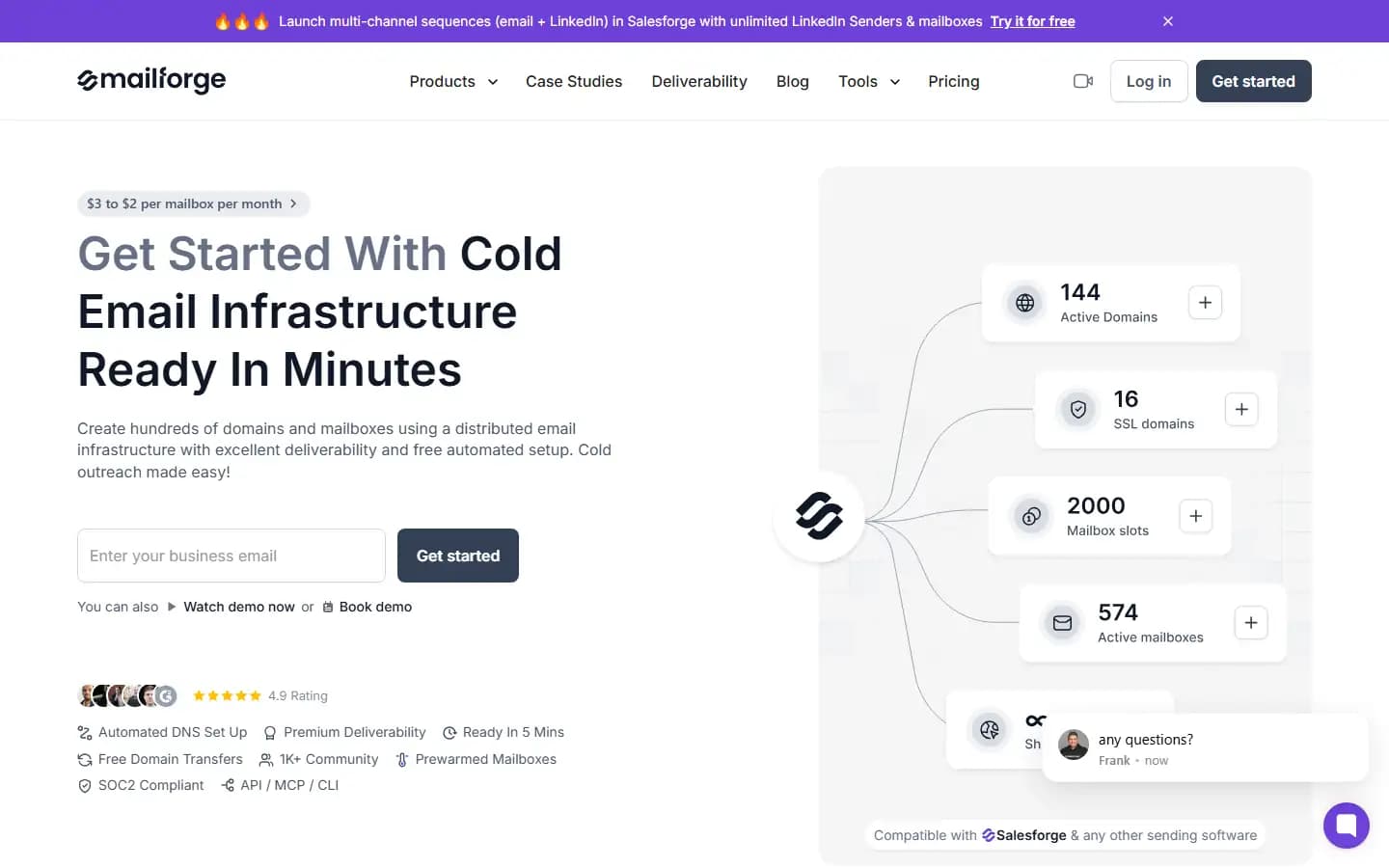
- Best use
- Domain-infrastructure buyer
- Choose it when
- A live test beats your current workflow on the exact job you need done.
- Skip it when
- Price/value matters.
- Use instead
- Defer the purchase until the use case is clearer.
- Verdict
- Mailforge lands in C for me. It covers the domain-infrastructure job; I would buy the same job cheaper elsewhere.
Pros
- It covers the domain-infrastructure job.
- Integration status checked 2026-09-01 — MCP: Official; CLI: Official; API: Unverified.
Cons
- I would buy the same job cheaper elsewhere.
Ocean.io — C tier
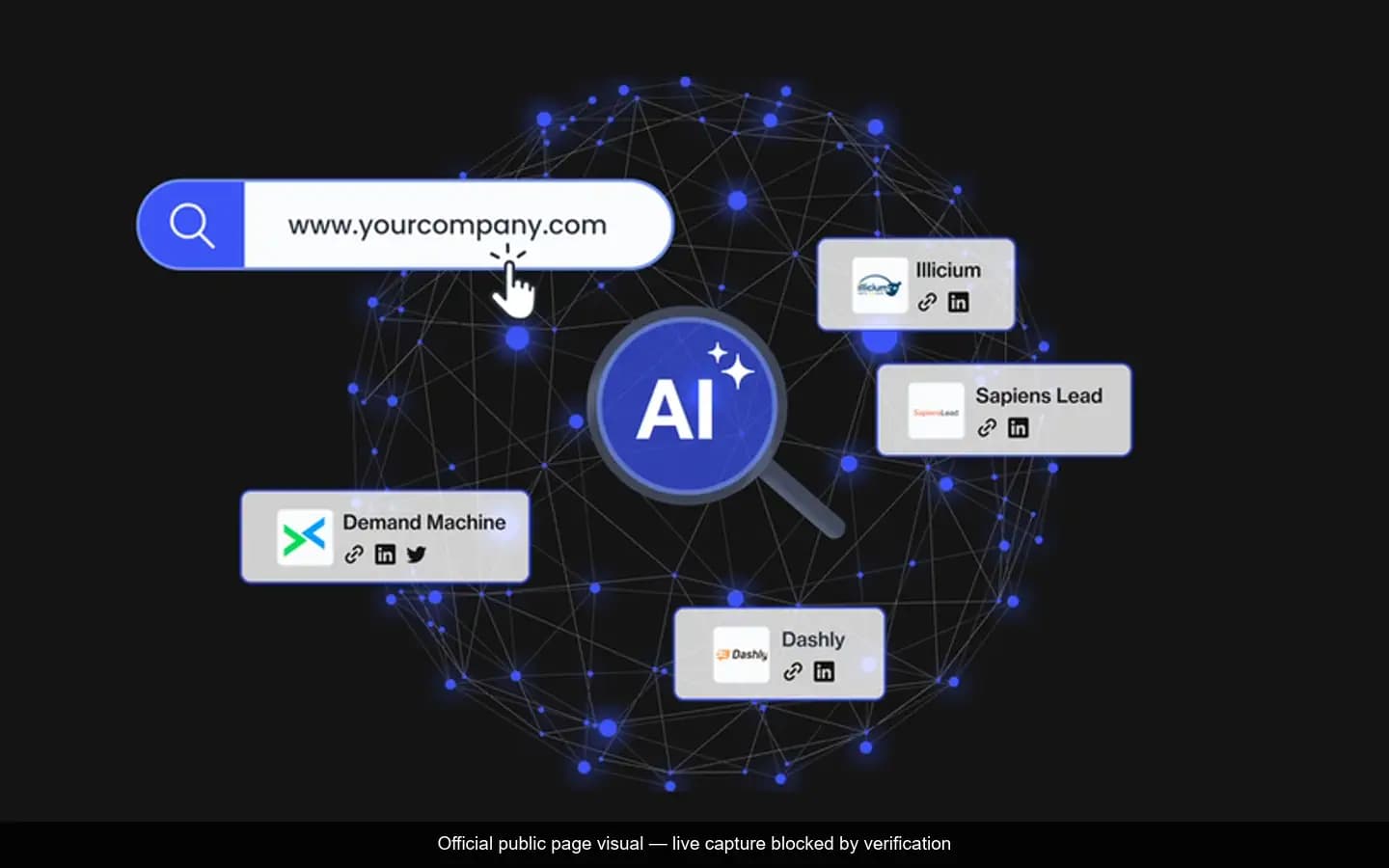
- Best use
- Lookalike-search buyer
- Choose it when
- Novel lookalike search matters and price is acceptable.
- Skip it when
- You are price-sensitive or need an easier provider.
- Use instead
- DiscoLike.
- Verdict
- I have Ocean.io in C. Lookalike search is a genuinely useful and differentiated job, but the price and LinkedIn-heavy data make DiscoLike the easier recommendation for me.
Pros
- Lookalike search is a genuinely useful and differentiated job.
- Integration status checked 2026-09-01 — MCP: Official; CLI: Unverified; API: Unverified.
Cons
- The price and LinkedIn-heavy data make DiscoLike the easier recommendation for me.
Primeforge — C tier
- Best use
- Multi-job infrastructure buyer
- Choose it when
- A live test beats your current workflow on the exact job you need done.
- Skip it when
- You prefer a focused tool for each job.
- Use instead
- Defer the purchase until the use case is clearer.
- Verdict
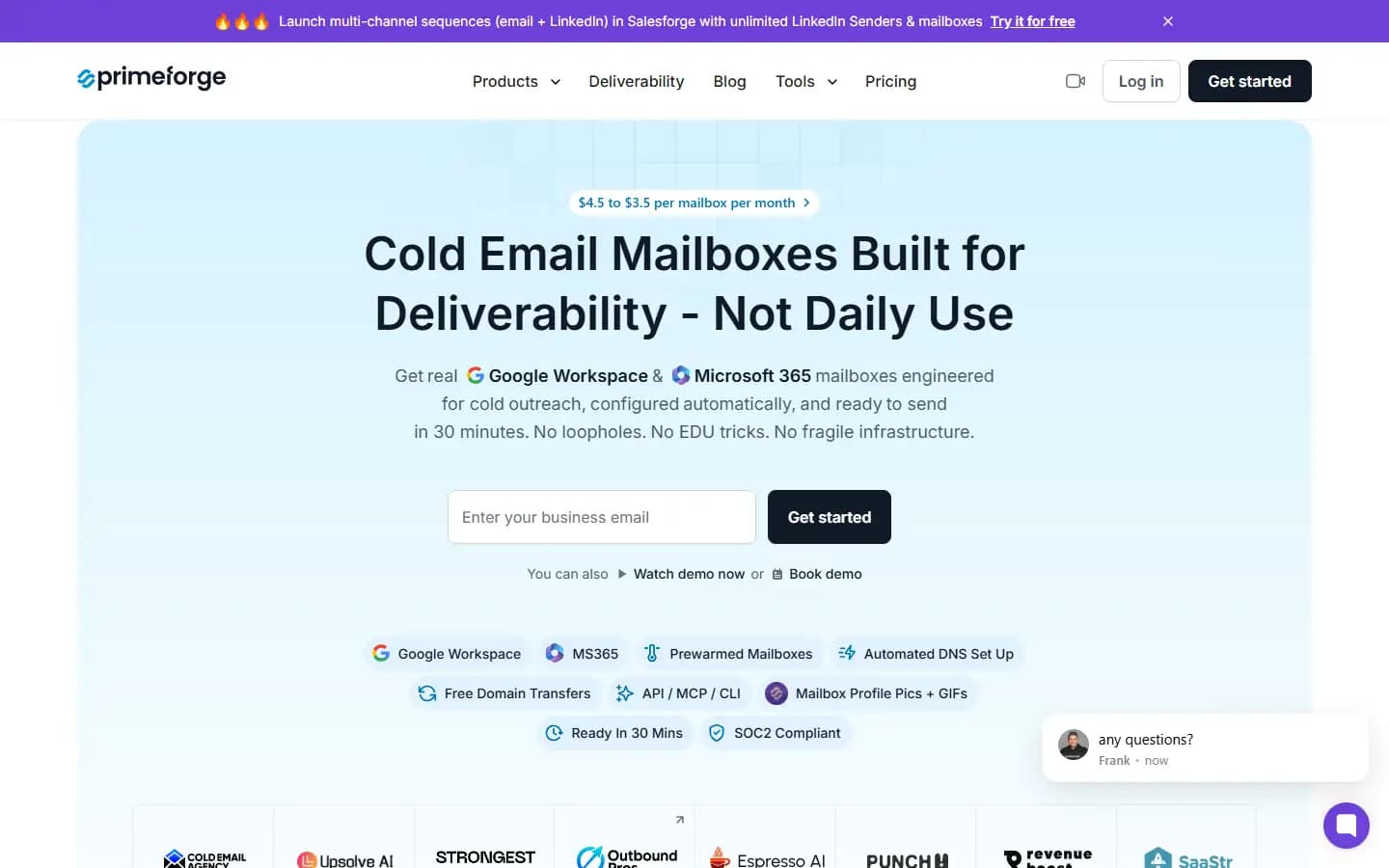
- I keep Primeforge in C: it attempts to cover several infrastructure jobs in one purchase; trying to do too much makes focused alternatives easier to trust.
Pros
- It attempts to cover several infrastructure jobs in one purchase.
- Integration status checked 2026-09-01 — MCP: Unverified; CLI: Unverified; API: Unverified.
Cons
- Trying to do too much makes focused alternatives easier to trust.
Relevance AI — C tier
- Best use
- Programmable AI-workflow buyer
- Choose it when
- You want a programmable intermediary and accept category uncertainty.
- Skip it when
- You can build open-source/custom or use a focused workflow tool.
- Use instead
- Trigger.dev or open-source workflow.
- Verdict
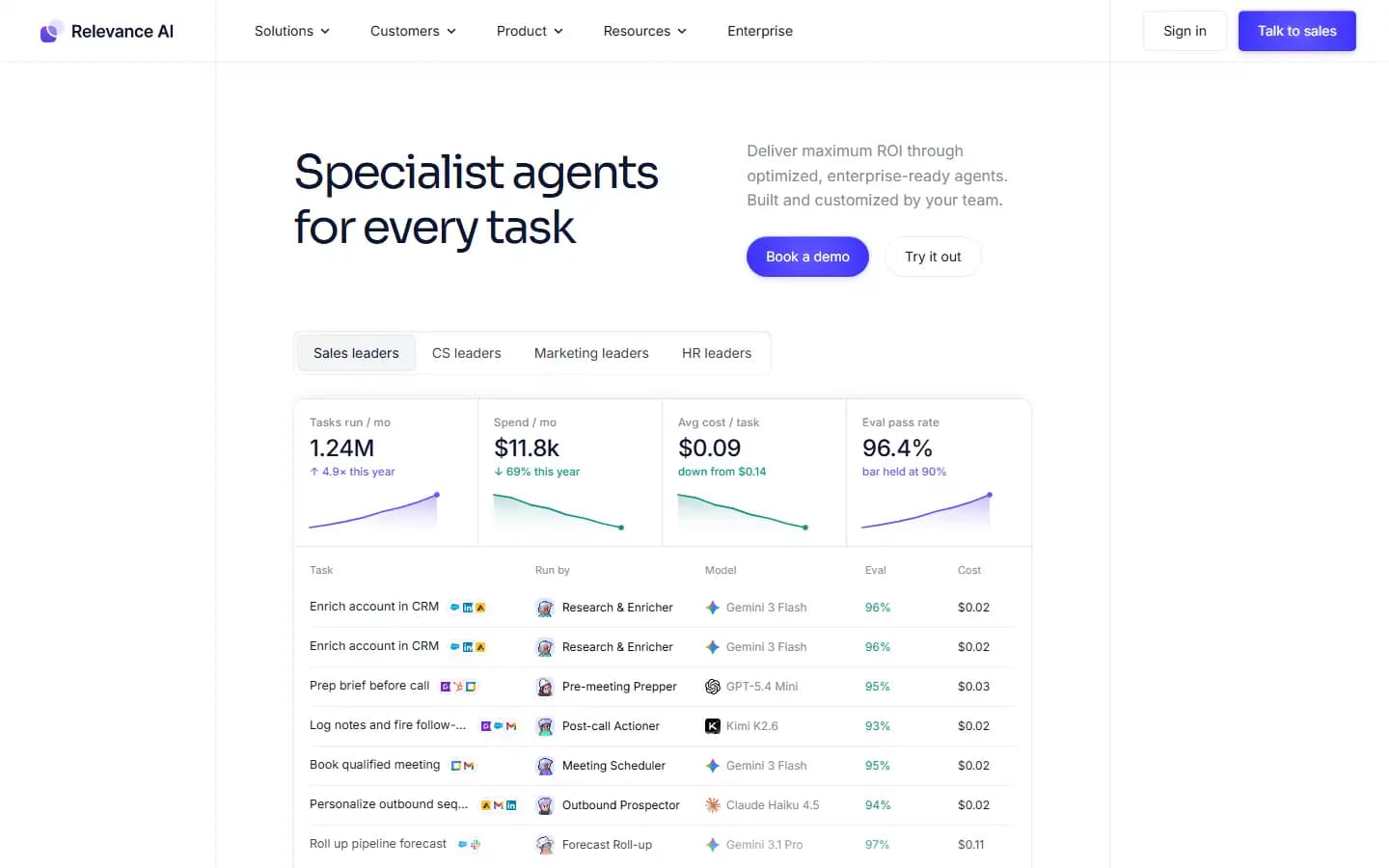
- I keep Relevance AI in C: programmability puts it above a completely black-box AI SDR; open workflows or Trigger.dev can serve the job with less category uncertainty.
Pros
- Programmability puts it above a completely black-box AI SDR.
- Integration status checked 2026-09-01 — MCP: Unverified; CLI: Unverified; API: Unverified.
Cons
- Open workflows or Trigger.dev can serve the job with less category uncertainty.
Unify — C tier
- Best use
- Small team without an internal GTM team
- Choose it when
- You need an all-in-one and have creative acumen.
- Skip it when
- You have a technical team or price is limiting.
- Use instead
- Defer the purchase until the use case is clearer.
- Verdict
- I have Unify in C. It is one of the stronger all-in-one automated GTM options for a creative non-technical team, but the jack-of-all-trades bundle is expensive and less compelling for a technical team.
Pros
- It is one of the stronger all-in-one automated GTM options for a creative non-technical team.
- Integration status checked 2026-09-01 — MCP: Unverified; CLI: Unverified; API: Unverified.
Cons
- The jack-of-all-trades bundle is expensive and less compelling for a technical team.
Waalaxy — C tier
- Best use
- LinkedIn-automation buyer
- Choose it when
- A comparable tool happens to fit.
- Skip it when
- You need a meaningful differentiator.
- Use instead
- Defer the purchase until the use case is clearer.
- Verdict
- I have Waalaxy in C. It can cover the basic LinkedIn-automation job, but I do not see a meaningful differentiator from the comparable sequencers.
Pros
- It can cover the basic LinkedIn-automation job.
- Integration status checked 2026-09-01 — MCP: Official; CLI: Unverified; API: Unverified.
Cons
- I do not see a meaningful differentiator from the comparable sequencers.
11x — D tier
- Best use
- Autonomous-AI-SDR buyer
- Choose it when
- A live test beats your current workflow on the exact job you need done.
- Skip it when
- No accountable owner has taste and takes responsibility.
- Use instead
- Human-owned workflow.
- Verdict
- 11x lands in D for me. The hands-off SDR promise is easy to understand; I have not seen the accountable taste or results that would justify handing the work over.
Pros
- The hands-off SDR promise is easy to understand.
- Integration status checked 2026-09-01 — MCP: Unverified; CLI: Unverified; API: Unverified.
Cons
- I have not seen the accountable taste or results that would justify handing the work over.
AiSDR — D tier
- Best use
- Autonomous-AI-SDR buyer
- Choose it when
- A live test beats your current workflow on the exact job you need done.
- Skip it when
- No accountable owner has taste and takes responsibility.
- Use instead
- Human-owned workflow.
- Verdict
- I have AiSDR in D. The category promises to remove manual SDR work, but without a responsible human owner I have not seen it produce the best result.
Pros
- The category promises to remove manual SDR work.
- Integration status checked 2026-09-01 — MCP: Unverified; CLI: Unverified; API: None.
Cons
- Without a responsible human owner I have not seen it produce the best result.
Artisan — D tier
- Best use
- AI-SDR buyer
- Choose it when
- A live test beats your current workflow on the exact job you need done.
- Skip it when
- You would rely on hearsay as a verified product conclusion.
- Use instead
- Human-owned workflow.
- Verdict
- Artisan lands in D for me. The autonomous-SDR pitch is a simple one-product story; my negative view is hearsay rather than direct proof, which is another reason not to make a confident purchase.
Pros
- The autonomous-SDR pitch is a simple one-product story.
- Integration status checked 2026-09-01 — MCP: Unverified; CLI: Unverified; API: Unverified.
Cons
- My negative view is hearsay rather than direct proof, which is another reason not to make a confident purchase.
Regie.ai — D tier
- Best use
- AI-SDR buyer
- Choose it when
- A live test beats your current workflow on the exact job you need done.
- Skip it when
- You want accountability and taste ownership.
- Use instead
- Human-owned workflow.
- Verdict
- I have Regie.ai in D. It packages sales automation into one platform, but I do not have a strong enough positive case here to move it off the bottom row.
Pros
- It packages sales automation into one platform.
- Integration status checked 2026-09-01 — MCP: Unverified; CLI: Unverified; API: Unverified.
Cons
- I do not have a strong enough positive case here to move it off the bottom row.
Make — D tier

- Best use
- Automation buyer
- Choose it when
- A live test beats your current workflow on the exact job you need done.
- Skip it when
- You can choose self-hosted automation or custom deployment.
- Use instead
- n8n or custom deployment.
- Verdict
- Make lands in D for me. It covers the familiar visual-automation job; without self-hosting I would choose n8n or a custom deployed workflow instead.
Pros
- It covers the familiar visual-automation job.
- Integration status checked 2026-09-01 — MCP: Official; CLI: Unverified; API: Unverified.
Cons
- Without self-hosting I would choose n8n or a custom deployed workflow instead.
ZoomInfo — D tier
- Best use
- Enterprise-data buyer
- Choose it when
- An enterprise-specific constraint survives a live comparison against lower-cost alternatives.
- Skip it when
- Contracts and pricing are unacceptable.
- Use instead
- QuickEnrich, Prospeo, or AI Ark.
- Verdict
- My call is D tier. It remains an enterprise prospecting-data option, but the contracts and price make the lower-cost alternatives far easier for me to recommend.
Pros
- It remains an enterprise prospecting-data option.
- Integration status checked 2026-09-01 — MCP: Unverified; CLI: Unverified; API: Unverified.
Cons
- The contracts and price make the lower-cost alternatives far easier for me to recommend.